Limited liability fund for maritime claims – what you need to know 

Maritime shipping is an activity associated with high risk. Accidents, collisions, environmental pollution, or damage to cargo can lead to claims amounting to hundreds of millions of euros. This is why maritime law includes a limited liability fund for maritime claims. 

What is the role of the fund?

The limited liability fund for maritime claims serves a protective function for both the shipowner and the creditors. Instead of being liable with all of their assets, the shipowner deposits a certain sum of money or provides appropriate security to the court. Creditors can then use this amount to satisfy their claims. 

This solution increases the predictability of liability and allows maritime activities to be conducted without the risk of immediate insolvency. As a result, all victims have access to a common “pool of money”, and the distribution is proportional. The shipowner is assured that their financial liability will not exceed the limit set by law. 

What is the amount of the fund?

The amount of the fund is not determined arbitrarily. It is calculated according to the international rules of the London Convention LLMC, which Poland adopted in its Maritime Code. The amount primarily depends on the ship’s tonnage and the type of claims. 

This solution aims to maintain balance: creditors are not left without protection, and the shipowner does not bear unlimited liability. 

How is the fund created 

Most often, the fund is established by the shipowner or their liability insurer. It can also be created by the charterer or another entity responsible for the specific incident. 

In Poland, the responsible party submits a request to the district court – Economic Department for Maritime Matters – to create the fund. They then deposit the required amount into the fund or present a bank or insurance guarantee for the corresponding amount. 

Once the fund is established, the court publicly announces it and invites creditors to file claims within a specified period. The court then reviews the claims and ultimately distributes the fund among creditors. If the total amount of claims exceeds the fund’s value, payments are made proportionally. 

What is the fund?

The limited liability fund is a compromise between the interests of the shipowner and the injured parties. In practice: 

  • the shipowner protects themselves from unlimited liability and the risk of bankruptcy,
  • creditors are guaranteed that their claims will be considered in a uniform, transparent procedure,
  • the court oversees the fair distribution of funds. 

What are the limitations of the fund 

It is important to note that the fund does not always fully satisfy all claims. In the case of very serious disasters, such as large-scale environmental pollution, the total value of damages may far exceed the fund’s value. In such cases, the victims only receive a portion of the amount owed to them. 

This system is often criticized as being too favorable to shipowners. On the other hand, the liquidation of the fund could completely paralyze maritime activity, as no one would be able to bear unlimited liability. 

Summary 

The limited liability fund for maritime claims is a mechanism that ensures a balance between protecting the interests of the victims and maintaining the stability of shipping companies. Thanks to it, a maritime accident does not necessarily mean the end of a shipowner’s business, and creditors have access to a fair and supervised distribution of funds. Although not always fully satisfactory for everyone, the fund is one of the most important legal instruments that keep global shipping in motion.

Polish-Danish offshore wind supply chain grows in Szczecin 

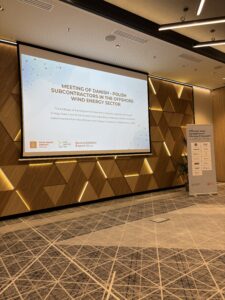
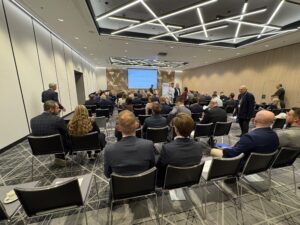
On 24th September 2025, Szczecin became the hub of intensive talks between Polish and Danish subcontractor in the offshore wind sector. 

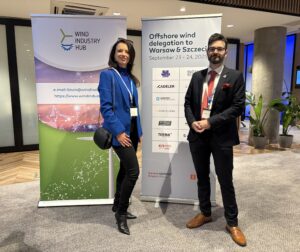
The meeting, organised by the Embassy of the Kingdom of Denmark in Warsaw and Danish Energy Export in cooperation with Wind Industry Hub, brought together representatives of companies from both countries. Among the participants were suppliers of components, installation vessels, navigation systems, as well as transport and logistics companies, ports, and service providers. The event took place at the Marriott Hotel and combined presentations with B2B “speed dating” session and networking opportunities. 

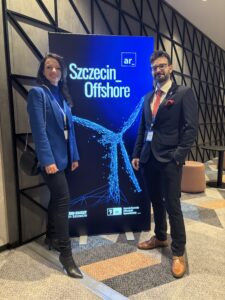
Our law firm was represented by Ewa Lewkowska-Dąbrowska and Bartosz Sierkowski. 

The event was an excellent opportunity to learn about the needs and offerings of Danish suppliers and Polish companies from the region – proximity to ports, infrastructure, and service capabilities facilitates the start of cooperation with short response times. Combined with local investments in turbine components (Vestas), a foundation is being built that can serve not only projects in Polish waters but also support exports to the Baltic and North Sea. 

Discussions with participants covered a wide range of important topics, including: 

  • opportunities for cooperation between offshore sector companies,
  • planned and ongoing investments,
  • the future of large and small ports along the Polish coast. 

As a law firm supporting the offshore sector, we are pleased to have taken part in discussions about innovation, investment, and growth opportunities. We are confident that cooperation and mutual understanding between Polish and Danish companies will bring benefits in the form of sustainable and dynamic development of the offshore wind industry in the West Pomeranian Offshore Valley. 

We thank the organisers for this inspiring experience. Events like this provide an excellent platform for meaningful dialogue and for building new partnerships. We already look forward to the next meeting, which will continue this fruitful exchange.


The Scandinavian-Polish Chamber of Commerce

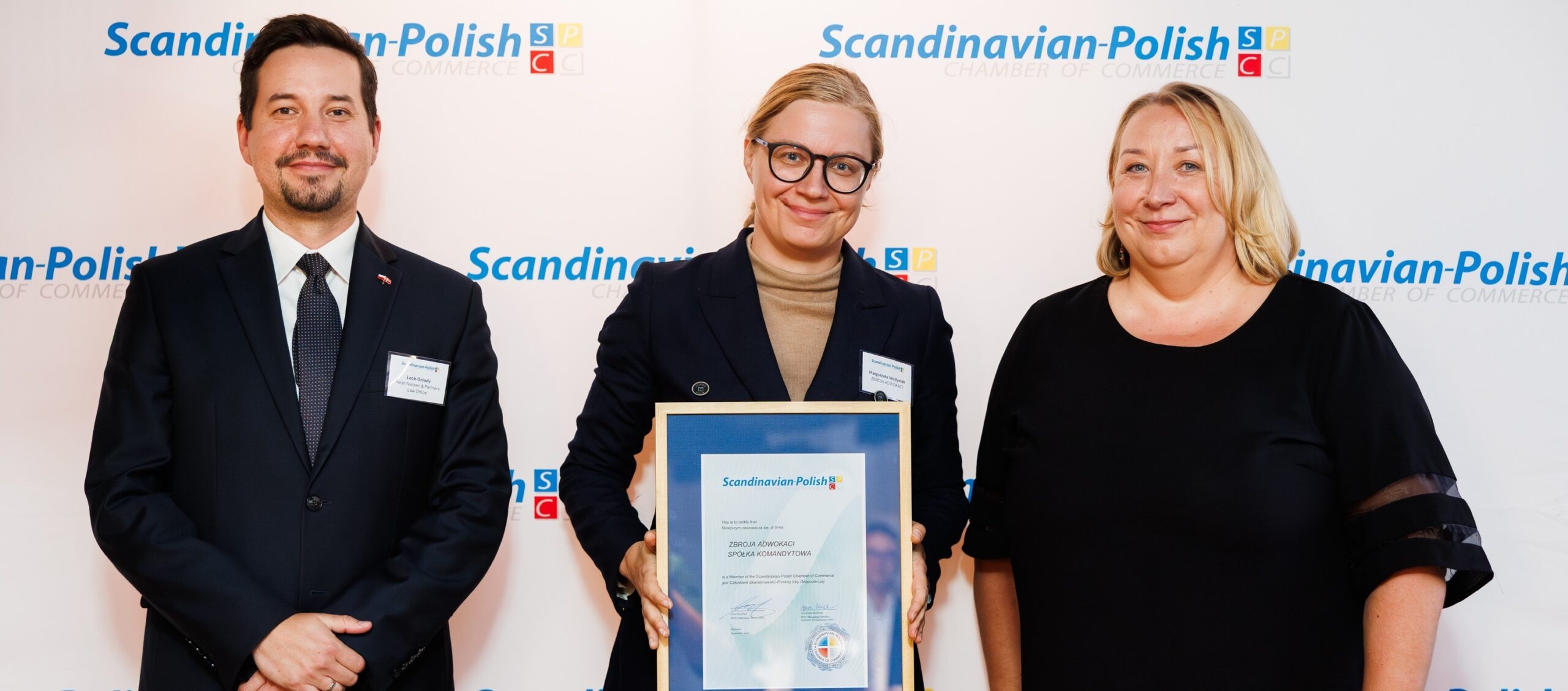
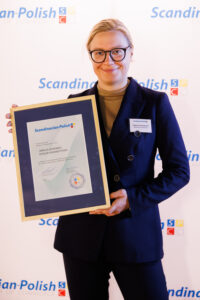
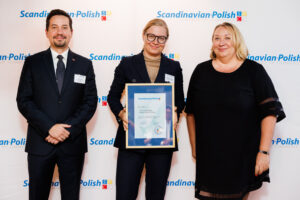
We are delighted to announce that our law firm has joined the Scandinavian-Polish Chamber of Commerce (SPCC). On Wednesday, September 24th, Gosia Wojtysiak accepted the membership certificate on our behalf. It was also a great opportunity to meet other Chamber members and discuss Scandinavian-Polish business relations – from wind, water, and renewable energy to other areas of cooperation. 

The guests were welcomed by Sweden’s ambassador agrée Marta Quick and Daniel Larsson, Country Manager of Eolus Poland, who emphasized the importance of the energy transition and a localized energy mix. Poland has all the tools for a swift transformation – all that remains is the will and commitment to act. 

The very next day, we took part in the traditional Swedish Kräftskiva – the crayfish festival organized by the SPCC. The event gave us a chance to explore cooperation with Scandinavia from a local perspective. Our firm was represented by Gosia Wojtysiak and Bartek Sierkowski. 

We’re excited to be part of this dynamic community and look forward to many more inspiring meetings!

When one yacht resembles another – intellectual property infringements 

The Italian shipbuilding group (with strong Chinese capital involvement) has been at the center of an international scandal for several months. Italian prosecutors are investigating allegations of industrial espionage after alleged wiretapping devices were found in the office of one of the Chinese directors of the group. 

This is one example of how brutal the competition for competitive edges is in the yacht industry, which is worth tens of billions of dollars. Intellectual property is also a tangible asset here. When a project can generate millions of euros in profit, the temptation to copy the competition’s solutions grows. 

In this publication, we will discuss the most common types of infringements and ways to protect against them. 

Design that costs 

Copying external designs is a major issue in the yacht industry. Modern yachts are often works of art. The hull design has not only functional but also aesthetic importance. However, the boundary between inspiration and plagiarism is often difficult to define. 

Design disputes typically concern distinctive elements – the hull line, the railing line, the shape of windows, the proportions of the superstructure, or the bow profile. Shipyards invest hundreds of thousands of euros in design work, only to watch as competitors quickly introduce “similar” models to the market. Motor yacht models in the 15-30 meter range are particularly vulnerable to copying – this is a segment where design plays a crucial role in sales success. Italian shipyards have been waging a more or less open war for years about whose design was “first”. 

Trademark wars 

The second most common type in infringement is unauthorized use of trademarks. In the yacht industry, branding is of enormous importance. Buying a yacht is often a prestige decision, where the manufacturer’s name is just as important as the quality of the product. Problems arise especially in Asian markets, where local manufacturers treat European trademarks “freely”. This concerns not only shipyard names but also specific yacht model designations and characteristic logos placed on the hull. 

Shipyards must also protect themselves from counterfeit spare parts. Equipment sold under premium brands may not necessarily be genuine. Importantly, this is not just a financial issue, but also a safety threat! 

Theft of know-how 

Another problem is the unlawful use of technical solutions and know-how. Modern yachts are technologically advanced floating units made from innovative composite materials, equipped with advanced navigation systems, or featuring cutting-edge multimedia solutions.  

Particularly vulnerable are: 

  • innovative hull construction solutions,
  • smart yacht management systems,
  • propulsion system solutions,
  • materials and composite production technologies. 

The problem is exacerbated by the fact that the industry is relatively small – specialists often “move” between competing shipyards, taking knowledge about production processes and technical solutions with them and introducing them to competitors. 

Legal and financial consequences 

Intellectual property violations in the yacht industry can cost a fortune. Courts can award high damages for losses caused by copying designs or counterfeiting brands. 

Affected shipyards may demand: 

  • cease and desist from production and sales of infringing products,
  • compensation for lost profits,
  • compensation for damage to their reputation. 

In particularly egregious cases, when there is systematic copying of competitor’s product portfolio, damages can amount to millions of euros. 

How to protect yourself 

Effective protection of intellectual property in the yacht industry requires a comprehensive strategy. Actions that can be taken as part of this strategy include: 

Registration of protective rights – industrial designs, trademarks, and patents should be registered not only in Europe but also in Asian and American markets. The cost of global registration is a fraction of potential losses. 

Market monitoring – regularly tracking the activities of competitors and new products being introduced to the market allows for quick detection of potential infringements. The faster we react, the more effective the legal action will be. 

Securing know-how – confidentiality clauses in employee contracts, restricting access to sensitive information, and properly securing technical documentation are essential to protecting against know-how theft. 

Cooperation with customs authorities – registering trademarks with customs authorities facilitates the detection and seizure of counterfeit products at borders. 

The future of IP protection in yachting 

The yachting industry is currently experiencing innovations. Electric drives, smart management systems, next-generation composite materials – all of this will require even more effective protection of intellectual property. 

Shipyards that invest in a comprehensive IP protection strategy today will have a competitive advantage in the coming years. The costs of such a strategy are usually a fraction of the marketing budget, but the benefits can be crucial for survival in a competitive market. 

In a world where one successful design can bring enormous profits, intellectual property protection is no longer optional – it is a condition of success. 

If this topic is of interest to you, we invite you to read our other publications on intellectual property: 

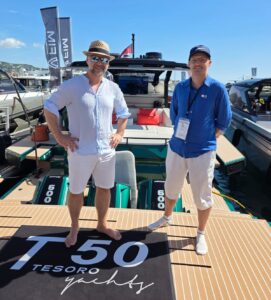
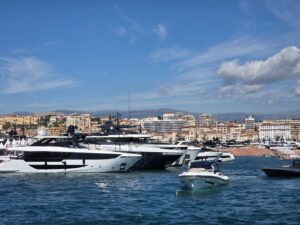
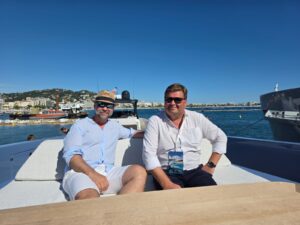
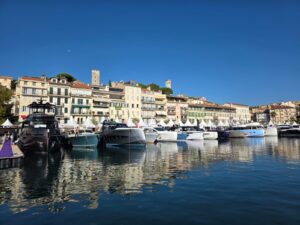
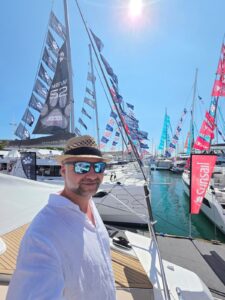
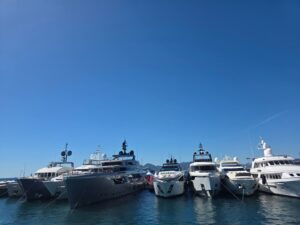
Cannes Yachting Festival 2025 – the global yachting industry landscape 

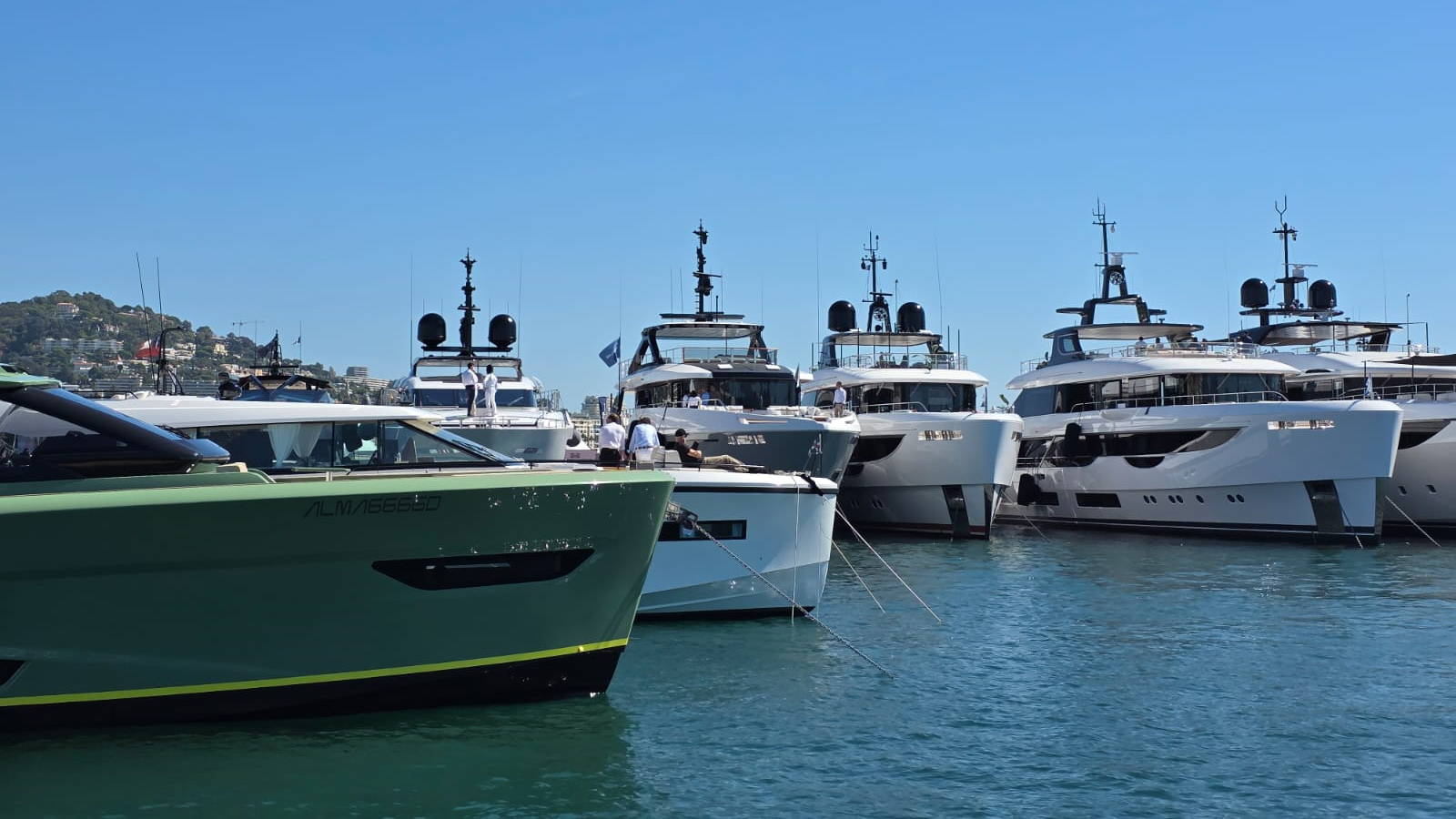
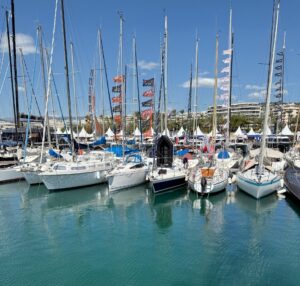
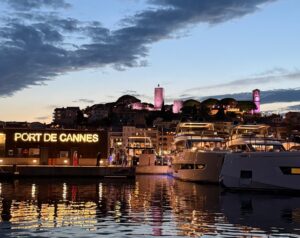
This year in Cannes, over 650 exhibitors showcased 700 vessels from around the world. 

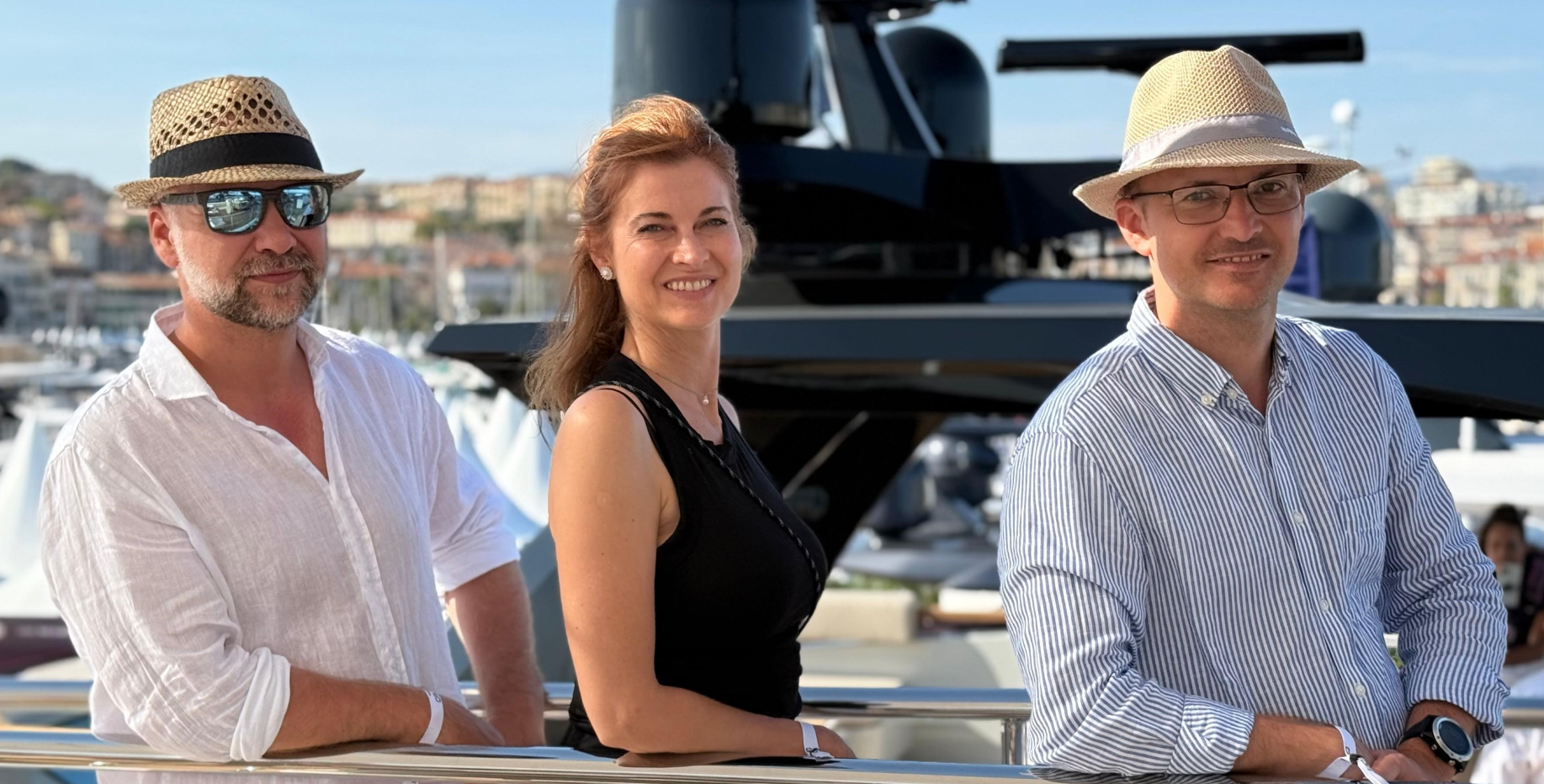
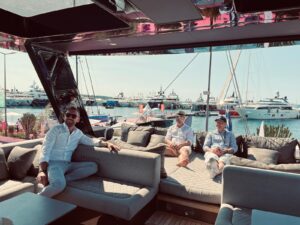
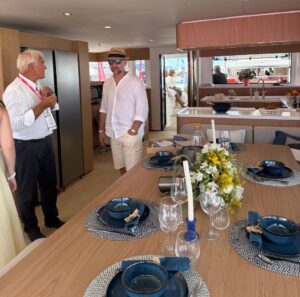
Participation in the festival always holds special significance for our firm. For years, we have been supporting the yachting industry by offering legal advice on construction, sales, chartering, leasing, insurance, dispute resolution, vessel registration, as well as compliance and ESG. The Cannes Yachting Festival is an excellent opportunity to connect with manufacturers, dealers, and shipowners, explore new trends, and exchange experiences with both domestic and international partners. Attending the event allows us to better support our clients in both local and international markets. 

Our key observations: 

  1. Slower industry growth – sales remain strong, especially in the catamaran and 10-20 meter yacht segments. However, noticeable slowing is driven by rising production costs, limited material availability, and global economic uncertainty linked to factors such as the war in Ukraine, U.S. trade policy, and tensions in the Middle East. 
  2. Ecology as a megatrend – manufacturers are embracing sustainability by offering photovoltaic panels, hybrid propulsion, and lighter designs. Still, fully electric propulsion remains niche, and port infrastructure is not yet sufficiently developed. 
  3. Catamarans leading the way – catamarans continue to gain popularity, combining comfort, space, and safety. 
  4. The premium market is becoming increasingly competitive – major brands like Azimut, Sunseeker, and Ferretti are offering larger and more personalized vessels. 
  5. Challenges – rising production costs, shortage of skilled workers, environmental regulations, macroeconomic uncertainty, and growing fiscal burdens all impact market development. 

Opportunities and growth directions in the sector: 

  • Hybrid and solar technologies that can significantly reduce operating costs.
  • Emerging markets such as the Middle East and Asia are gaining momentum; North America, despite trade policy, is also holding strong.
  • Premium chartering and after-sales services are rapidly growing market segments.
  • Yachting mobility is becoming a viable alternative to traditional real estate investments. 

Finally, it is worth highlighting that Poland remains a key player in the yacht market. Galeon Yachts, Sunreef Yachts, Moon Yacht, Northman Shipyard, Parker Poland, Virtue Yachts, and Wiszniewski Yachts all exhibited in Cannes, underscoring Poland’s growing role in premium yacht manufacturing. 

All the more reason why our presence next year is almost certain 😊 

Bill of lading vs sea waybill – which to choose in maritime transport? 

In maritime transport, the bill of lading and the sea waybill are the most important documents that confirm the conclusion of the goods transport contract and their takeover by the carrier. Although they serve similar functions, they differ significantly, which is important in everyday transport management. The choice of the appropriate document affects transport processes, insurance, and the future of digitization in the industry. Let’s check the details. 

Basic differences between the bill of lading and sea waybill 

The first significant difference to note is the issue of the transferability of both documents. The bill of lading is a transferable document, meaning that the holder of the bill of lading can sell or transfer the right to the goods to another party during transport. The sea waybill does not grant such a right. 

The bill of lading also serves as a title to the cargo – the owner has the right to receive the goods and can also use it to secure a debt, such as a form of credit collateral. In the case of the sea waybill, such an option does not exist. 

Practical consequences of choosing the document 

Depending on the nature of the transport, the choice between the bill of lading and the sea waybill can be very important. The waybill is particularly beneficial when the consignor and consignee have a long-term and trusted business relationship. In such situations, where neither party expects a change in the ownership of the goods during transport, this document simplifies the process of releasing the goods at the destination port. The consignee can receive the goods based on the data in the document, without the need to present the original SWB. 

On the other hand, the bill of lading is more suitable when there is a need to transfer ownership of the goods during transport, for example, when the goods are used in trade or need to be secured on behalf of a bank or another entity. In such cases, the bill of lading serves as a negotiable instrument, providing greater flexibility in managing the transport. 

Practical use of the sea waybill 

As mentioned, the sea waybill is particularly applicable in relationships where the consignor and consignee trust each other and prefer a simplified transport procedure. An example could be transactions between companies that regularly cooperate and do not anticipate any changes in the ownership of the goods during transport. In such a case, the SWB allows for the quick and efficient release of the goods, without the need to wait for the original documents to be sent. 

The sea waybill is also advantageous when the consignee has paid the freight in advance. Since there is no need to present the original document, the entire transport process becomes more flexible and less burdened with formalities. 

Impact of transport documents on cargo insurance 

The choice between the bill of lading and the sea waybill also affects insurance procedures. The bill of lading, being the title to the goods, is necessary when the goods are insured and when it is necessary to transfer the rights to the cargo during transport. In this case, the owner of the bill of lading can claim compensation in the event of damage or loss of goods, having full rights to the claim. 

In the case of the sea waybill, the consignee does not have the title to the cargo, so they cannot sell it or secure it under credit. Therefore, insurance claims may be more complicated, especially when it comes to transferring ownership rights to the goods. 

The future of transport documents – digitization 

The increasing digitization of maritime transport is leading to the potential integration of documents such as the bill of lading and sea waybill with blockchain technology, which will significantly enhance the security of their circulation. Such solutions will allow for faster and safer document transfers, eliminating the risk of their loss, and making supply chain management easier. 

Summary 

The choice between the bill of lading and the sea waybill depends on the nature of the transport and the needs related to transferring ownership rights to the goods. The bill of lading is more appropriate in the transport of goods where the transfer of ownership during transport is required. Meanwhile, the sea waybill works best when the transport is based on trust between the consignor and the consignee and there is no need to transfer ownership rights to the cargo. Understanding these differences allows for selecting the most suitable solution, minimizing risks and simplifying the entire logistical process. 

How will the new trade agreement between the EU and the US affect the yachting industry? 

In April, we wrote about the development of the “trade war” between the EU and the US and its impact on the yachting industry. Since then, the situation has changed, and from a dynamic escalation of tensions, we are moving toward an optimistic plan for an agreement. A few days ago, the European Commission published a draft of changes that are expected to be introduced soon. These are the assumptions that EU and US leaders intend to implement. 

New tariff rate 

According to previous statements by Donald Trump, tariffs on goods from the EU, such as pharmaceuticals, cars, and electronics, reached 25%, excluding the rates functioning under WTO rules (which, in practice, sometimes set rates at 27.5%). According to the agreement, tariffs on most goods will be reduced to 15%. This rate is to be complete (i.e., it will include the WTO rate) and will apply to most goods imported to the US from the EU. For now, there is no information on whether the rate will also apply to recreational vessels, such as yachts and their parts. 

Scope of the agreement 

The agreement does not clarify all issues. It is not known whether the regulations will cover all areas of the industry, or if some will be excluded. In this regard, it is unclear what impact this will have on the yacht industry and the maritime sector. As a result of the talks, the EU has withdrawn from imposing 30% retaliatory tariffs on recreational boats from the US, which may impact the competitiveness of boat suppliers and potentially increase exports. 

Tariffs on steel and aluminum 

The joint statement did not address tariffs on steel and aluminum imports. The content of these metals in products is now subject to a 50% tariff, and the US Department of Commerce has added further goods made from these raw materials to the tariff list. This may affect the prices of parts imported from the US, including products crucial to the yacht industry. Already included in the list are items such as outboard motors, as well as hydraulic or electrical accessories. In this case, we can only hope that as a result of further talks, goods imported from the EU will be excluded from such tariffs. 

The near future 

Although the provisions in the agreement are not yet in effect, they offer hope for an improvement in relations between the EU and the US, and thus for a better situation for entrepreneurs (including those in the yacht industry) on both sides of the Atlantic Ocean. If the next talks proceed in a similar tone, we can expect favorable solutions in terms of trade and tariff rates.