System of spontaneous risk declaration in marine insurance 

Marine insurance is among the most specific forms of insurance protection, in which the relationship between the parties is based on particular trust and professionalism. Maritime trade, which by its nature is commercial trade between entities providing their services on a professional basis, must guarantee a certain level of certainty for the parties, including the insurer. 

Unlike typical non-marine insurance, where the initiative in gathering information and the responsibility for proper regulation the legal relationship rests mainly with the insurer, in marine insurance it is the policyholder who is obliged to actively disclose all circumstances known to them that may affect the ultimate assessment of the risk. 

This duty, referred to as the system of spontaneous risk declaration, follows directly from article 304 of the Maritime Code and constitutes a development of the general principle of good faith (bona fides) in maritime trade. 

This principle has its roots in the tradition of English law, which treats the contract of insurance as a contract of utmost good faith. In practice, this means that both parties – the insurer and the policyholder – are obliged to act loyally and in a manner that enables a proper assessment of the risk. The result of applying this principle is that the policyholder obtains adequate insurance cover, while on the insurer’s side the risk is minimised and profit maximised. 

Essence of the duty of disclosure 

The duty to disclose material circumstances is one of the elements of the process of concluding a marine insurance contract. The policyholder should inform the insurer of all facts known to them that may have an impact on the assessment of the risk. This duty is of an active nature – it is not limited to answering the insurer’s questions, but requires the autonomous disclosure of all data that are material from the point of view of the risk, including those whose impact on the assessment may appear marginal. 

In marine insurance it is of particular importance that the policyholder is treated as a professional party, possessing knowledge and experience in navigation, including the risks associated with it. Consequently, it is the policyholder who bears responsibility for assessing which circumstances are material and should be disclosed. 

Material circumstances 

A material circumstance is any fact that could influence the insurer’s decision to accept or reject the risk, as well as the determination of the amount of the insurance premium. This covers a wide range of information, including: 

  • data concerning the vessel and its technical condition,
  • the crew’s qualifications,
  • the nature of cargo,
  • the planned route,
  • and the season of the year. 

In insurance practice, material circumstances also include previous casualties, breakdowns, repairs or other events that may indicate an increased navigational risk. 

The limits of the duty of disclosure are determined by the reasonableness and scope of the policyholder’s professional knowledge. They are not obliged to disclose information that is objectively irrelevant to the assessment of the risk, or information that they could not have known even when exercising due diligence. 

On the other hand, non-disclosure of material facts — even without any intention to mislead — may lead to serious consequences, including releasing the insurer from the obligation to pay indemnity. 

Under Polish maritime law, a breach of the duty to disclose material circumstances when concluding the insurance contract entails serious consequences for the policyholder. 

Pursuant to the relevant provisions (article 305 of the Maritime Code), in such a situation the insurer may withdraw from the contract and at the same time retain the right to the full insurance premium. This means that failure to perform the duty of disclosure – even if the contract is terminated – does not release the policyholder from the obligation to pay the premium for the period during which the insurance risk existed. 

However, the legislature has provided for an exception to this rule: where the lack of information or its inconsistency does not result from the fault of the policyholder or the insured, the insurer may not exercise the right of withdrawal. In such a case, they are only entitled to demand an appropriate increase in the premium reflecting the actual level of risk. 

It follows that the policyholder must not only refrain from concealing data, but must also consider such data carefully and present them to the insurer, in an appropriate form, for further analysis. Moreover, the policyholder cannot hide behind the alleged irrelevance of facts that were not passed on to the insurer, because they are not entitled to unilaterally decide whether a given fact could be significant from the point of view of risk assessment. 

Conclusion 

The system of spontaneous risk declaration in marine insurance is based on the assumption that the policyholder is a professional and possesses the knowledge necessary to independently disclose all material circumstances that affect the insurer’s assessment of risk. Unlike in non-marine insurance, where the insurance company asks the questions, in marine insurance the informational burden rests on the policyholder. 

A breach of the duty of disclosure results in the insurer being able to withdraw from the contract while retaining the right to the full premium. 

In this context, it must be remembered that the rules discussed above are primarily intended to facilitate commercial trade. It is the entrepreneur who is obliged to analyse everything which, within their field of expertise, may be relevant to the insurer, while the insurer limits its activity to calculating the risk and the premium. Consequently, each party to the insurance relationship focuses on the matters specific to it, without intruding upon the competences of the other party. 
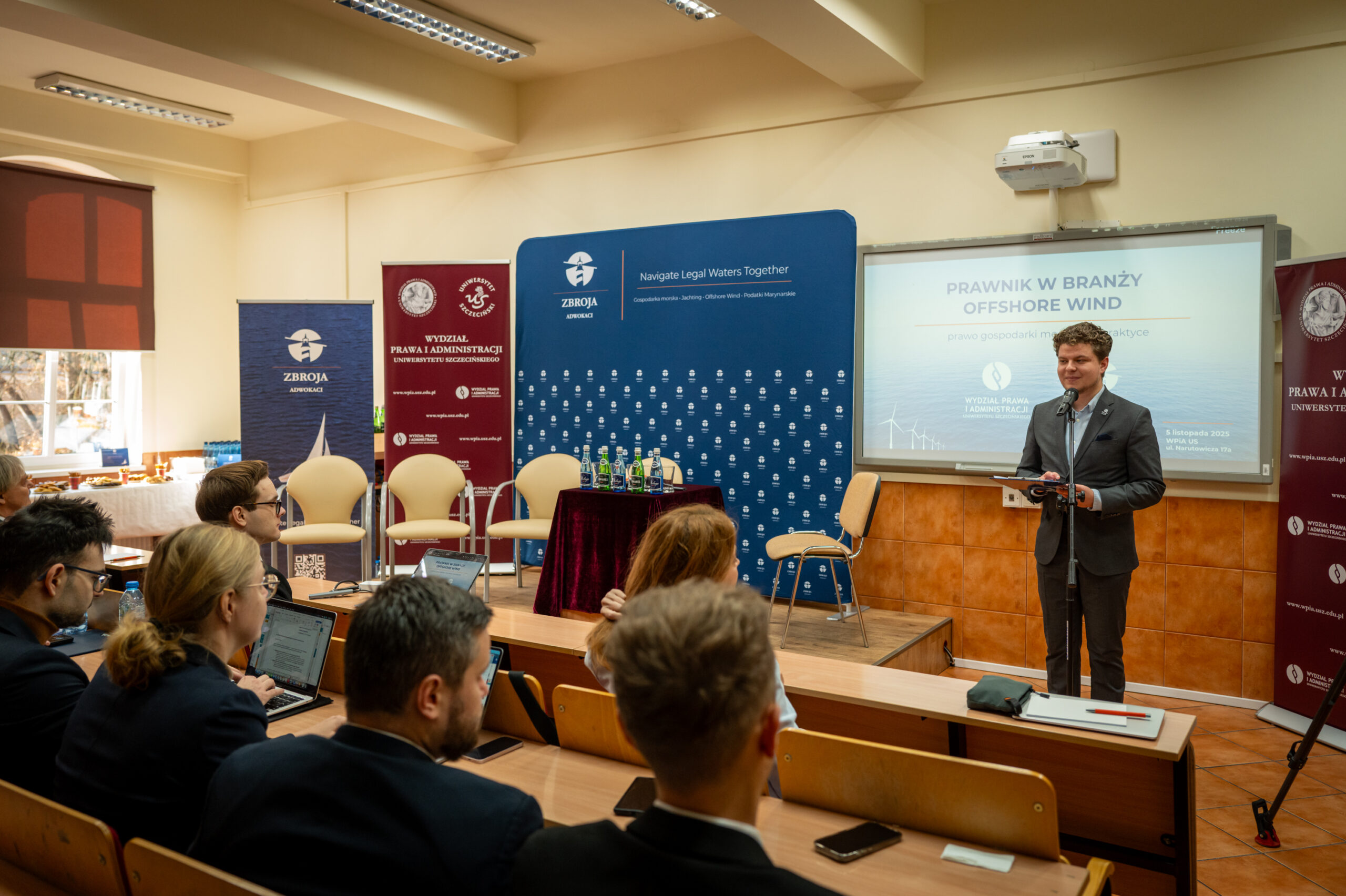
Report from the conference “Lawyer in the offshore wind sector – maritime economy law in practice” through the eyes of the lawyers from Zbroja Adwokaci

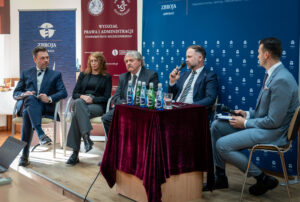
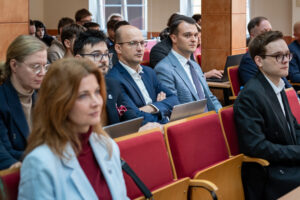
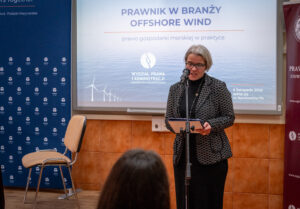
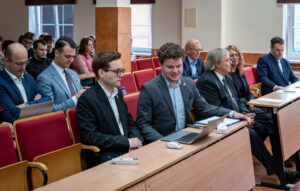
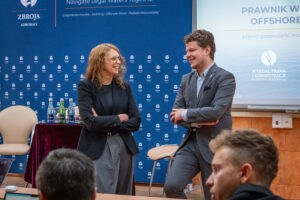
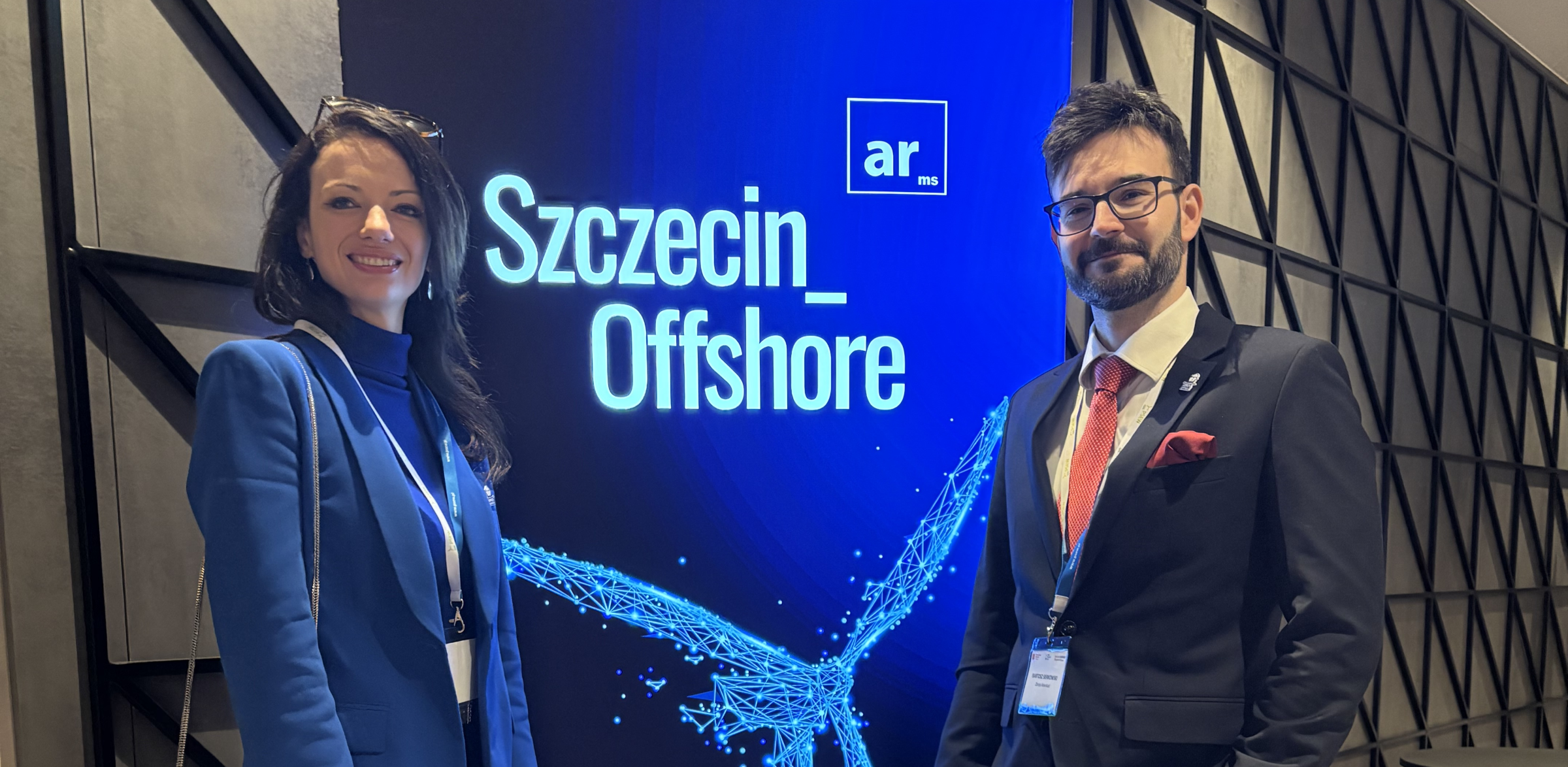
On 5 December 2025, our law firm, Zbroja Adwokaci, had the pleasure of co-organising with the Faculty of Law and Administration of the University of Szczecin, the conference “Lawyer in the offshore wind sector – maritime economy law in practice”. 

Why offshore wind? 

In our daily work we see that the Baltic Sea is no longer merely a transport route. It is increasingly becoming an investment space where the interests of ports, shipyards, energy investors, financing institutions and public authorities intersect. Offshore wind energy is one of the most demanding areas here – both in business and regulatory terms. 

The conference aimed to show what the lawyer’s role looks like in such an environment in practice: not in the theory of statutes, but in real-life projects, with infrastructure constraints, complex schedules and time pressure. 

First panel – a lawyer closer to the quay than the courtroom 

The first panel featured: 

  • dr Oliwia Mróz-Malik (Polish Wind Energy Association),
  • dr hab. Daniel Wacinkiewicz, prof. US (Faculty of Law and Administration, University of Szczecin),
  • att. Marek Czernis (Law Office of Attorney at Law Marek Czernis),
  • adv. Patryk Zbroja (Zbroja Adwokaci),
  • trainee advocate Stanisław Kaup (Zbroja Adwokaci) as moderator. 

The discussion revolved around the question of what function lawyers currently perform in offshore investments carried out in ports and shipyards. From our firm’s perspective, the conclusions are very close to our everyday practice: the traditional role of a “litigation representative” moves to the background. 

A lawyer in offshore wind projects: 

  • identifies and systematises legal risks at the intersection of many branches of law (maritime, energy, construction, environmental),
  • participates in investment planning rather than only in firefighting,
  • must understand how a port, shipyard or installation terminal actually operates. 

Second panel – three practical roles of a lawyer in offshore wind 

The second part of the conference focused on contracts and the organisation of legal work in large offshore projects. The speakers included: 

  • adv. Łukasz Gembiś (DWF Poland) – a law firm lawyer,
  • att. Berenika Sepczyńska (Ocean Winds) – in-house,
  • att. Mateusz Filipp (CRIST Offshore) – lawyer in management bodies,
  • adv. Patryk Zbroja (Zbroja Adwokaci) as moderator. 

From our perspective, the comparison of these three roles was particularly valuable: 

  • Law firm lawyer – an external adviser who sees many investments simultaneously, often on both sides of a contract. This allows them to transfer good solutions from other projects and markets and to indicate which clauses are already industry standards and which require additional safeguards.
  • In-house lawyer – the person ensuring that the agreement “works” within the organisation. They translate extensive contractual provisions into procedures, document flow, reporting and compliance. In offshore wind this role is important because projects last many years and involve numerous interconnected contracts.
  • Lawyer in management combines legal insight with responsibility for the company’s financial performance. They decide what risks can be accepted, when to enter a dispute, and when it is more cost-effective to seek an amicable solution. 

Competencies beyond the “code regulations” 

As a law firm operating in the maritime economy for years, we fully agree with the panellists’ conclusions regarding the competencies required in this sector. In addition to knowledge of the law, the market expects lawyers to have: 

  • an understanding of the basic technologies used in offshore projects,
  • the ability to work in interdisciplinary teams (engineers, financiers, logisticians, port operators),
  • a high proficiency in English. 

From our perspective, the conference confirmed two things: 

  1. Szczecin has a real chance to become one of the key hubs of legal services for offshore wind in Poland, provided it makes good use of the potential of its ports, shipyards and academic facilities.
  2. For students and young lawyers, this is the right moment to consciously direct their development – towards maritime, energy and contract law, combined with practical experiences in organisations that actually operate “by the water”. 

We are glad that we could help create a space for such a conversation – bringing together the academic community, business practitioners and future lawyers who in the coming years will help shape the legal framework of Polish investments in the Baltic Sea. 

We also thank the Faculty of Law and Administration of the University of Szczecin for co-organising the event, as well as our honorary and media partners.

Law and offshore in practice – takeaways from the 14th International Offshore Wind Logistics & Supplies Conference 

This year’s PIMEW conference took place in Gdańsk and was one of the most important industry events in Poland’s offshore wind sector. Center stage went to investors, representatives of public administration, state-owned companies, developers, suppliers and… of course, law firms. 

The main themes that dominated the conversations and panel discussions were: 

  • building a domestic supply chain,
  • the need for regulatory coherence,
  • the role of financing and institutional support,
  • the issue of local content, including its relationship with public procurement law, 

Polish supply chain 

During the opening panel, there were many strong statements about the need to build a “local supply chain”. Presentations by PGE BalticaOrlen NeptunARPOcean WindTele-Fonika Kable, and CRIST Offshore showed that the sector is determined to increase the share of Polish enterprises in delivering offshore investments. 

The problem is that there is still a lack of effective legal and methodological tools to verify the actual share of the Polish component (local content). As a result, even projects involving domestic companies are not always formally recognized as “Polish”. 

In practice, this means that Polish enterprises often compete on uneven terms with international corporations that have greater experience, capital, and project resources. 

From a legal perspective, this problem opens up new challenges for support services: 

  • drafting consortium agreements between Polish and foreign entities,
  • introducing clauses that guarantee the participation of local (sub)contractor,
  • developing contract models that account for the local content requirement in tenders,
  • analysing non-price criteria within public procurement and private offers. 

The panel repeatedly emphasized the importance of transparency in partner selection – and the need to ensure Polish suppliers have real access to contracts. There was discussion on how to limit the role in intermediaries and enable direct cooperation between local suppliers and wind farm developers. 

An additional issue is how assumptions regarding local content relate to the public procurement law. According to the law, public contracts should be equally open to Polish entities and to those from across the EU. Reconciling these two regimes is a major challenge for the offshore sector. 

Formal and legal coherence of the investment process 

One of the most interesting panels was devoted to the first permit in Poland for the operation of an offshore wind farm. A session with representatives of the Provincial Inspectorate of Building Supervision showed just how complex the formal procedures are in offshore projects. 

Speakers pointed out that the current construction and environmental regulations are not tailored to the specifics of offshore energy investments. There is a lack of clear rules defining how to reconcile requirements arising from construction law, the Act on the Maritime Areas of the Republic of Poland, environmental protection, and energy law. 

In practice, many administrative decisions rest on interpretation and individual arrangements with authorities. Developers often encounter difficulties in obtaining permits, and the investment process becomes significantly prolonged. 

The discussion raised the proposal to introduce an integrated permitting system – similar to the Danish or British model – in which all necessary decisions would be issued within a single administrative proceeding. 

From a legal standpoint, this would mean creating a new category of maritime investments for which uniform procedures and documentation and technical standards would be developed. This, in turn, would be a major facilitation for both investors and the administration. 

Financing 

The topic of financing offshore projects kept resurfacing at the conference. One of the biggest problems for Polish contractors is the so-called negative cash flow – the need to fund the initial stages of a project from their own resources before payments from the investor/contracting authority arrive. 

This phenomenon effectively sidelines many smaller enterprises that lack sufficient capital or access to long-term lending. 

Several solutions were proposed during the discussion that could mitigate this problem: 

  • introducing dedicated escrow accounts,
  • using bank guarantees instead of cash securities,
  • stage-based project settlements (so-called milestone payments),
  • enabling financial institutions to participate in contractor consortia. 

From a law firm’s perspective, this is an area where real support can be offered to businesses – among other things by negotiating EPC contracts, assessing contractual risk, and developing financial-legal structures that minimize liquidity risk. 

Contracts 

Contracts in offshore wind are among the most complex in the construction market – not only because of the scale of the investments, but above all due to the number of participants and the conditions of the environment in which the works are carried out. EPCI (Engineering, Procurement, Construction and Installation)FIDIC, and hybrid contracts require precise allocation of the parties’ responsibilities, as well as a balance of interest between the investor, the general contractor, and (local) subcontractors. 

In practice, numerous legal issues arise here – from matters of quality and timeliness guarantees, through weather-related risks, to liability for delays in the delivery of components. An additional challenge is cross-border agreements governed by foreign legal regimes. 

Experts noted that proper contract preparation today is not only a matter of regulatory compliance, but also of effective risk management. Elements such as the following are key: 

  • risk matrices,
  • permissible liability caps,
  • compensatory mechanisms in the event of interruptions to the works. 

Attention was drawn to the need for broader use of alternative dispute resolution (ADR) methods – such as industry mediation or adjudication – which help avoid years-long court proceedings and preserve business relationships between the project parties. 

Polish shipowners and shipyards in the offshore wind sector 

Polish shipowners (though there aren’t many of them) want to enter the construction and later maintenance (O&M) of offshore wind farms, but they lack suitable vessels and stable contracts. Service vessels (CTV with DP2, SOV/CSOV) require costly upgrades and stringent HSE and class certificates. Crews must have GWO training and “offshore” experience, which drives up costs. Contracts often shift weather and delay risks onto the shipowner, and contractual penalties are high. Entering the supply chain is difficult without prior references from wind farm projects. 

The topic of building a jack-up for turbine installation keeps coming back – most realistically in the context of phase II. We have the shipbuilding capabilities, but we lack a shipowner who would decisively and unequivocally take responsibility. A similar situation applies to a cable-laying vessel (CLV), although here investor work (TFK) is moving forward. In both cases the CAPEX is very high and certification is lengthy, so the project’s bankability should be based on a long-term charter or a framework agreement. 

Polish shipyards, however, still have a very real space to deliver smaller units: 

  • new CTVs,
  • SOV-CSOV,
  • conversion for “walk-to-work”,
  • as well as components and upgrades for jack-ups and cable layers (e.g., cable carousels, gangways, DP systems, lay-spread integration). 

Demand for class renewals, HSE outfitting, and rapid refits will grow in step with construction and O&M schedules in the Baltic. Additionally, shipyards can partner with cable manufacturers and lifting equipment suppliers to create complete “design-build-integrate” packages for shipowners. 

Concrete proposals and takeaways for the industry emerged: 

  1. Pre-qualifications and pilot projects: shipowners should get onto developers’ approved suppliers lists as soon as possible and secure short pilot project contracts. This builds the references needed for larger agreements.
  2. Financial “carried” contracts: for jack-up or cable-layer projects, it’s worth aiming for a long-term charter or a framework agreement with a guaranteed package of days. This facilitates lending and guarantee support.
  3. Shipyard + shipowner + supplier bundles: Polish shipyards and shipowners can jointly offer turnkey solutions (design, build/conversion, integration, service). This shortens time to implementation and boosts competitiveness.
  4. Ports and slots: reserve port resources and yard slots early, because parallel projects quickly “eat up” infrastructure availability.
  5. Clear contractual risk allocation: negotiate sensible KPIs, transparent stand-by and weather terms, offshore insurance, and penalty caps – otherwise the cost of capital will simply wipe out the entire business margin. 

If we combine shipowners’ needs (vessels, certification, references) with shipyard’s capabilities (newbuilds, rapid conversions, systems integration), the Polish supply chain can genuinely enter the construction and O&M segment in the Baltic. 

Short pilot (perhaps even in phase I), smart financing, and joint turnkey bids will be crucial – even for ambitious projects like a jack-up and a cable-laying vessel. 

Summary 

This year’s PIMEW conference leads to clear conclusion: Poland’s offshore sector is entering a new stage of maturity, but it needs support at the legislative, financial, and organizational levels. 

The conference showed that the role of lawyers in offshore projects no longer boils down to “paperwork”. Contemporary advisory work in this sector requires an understanding of the technical, financial, and operational logic of the investment. 

Flag – the choice matters

Imagine you’ve just become the owner of your dream yacht. An ocean of possibilities opens up before you. But before you set sail, there’s a decision that could save you tens of thousands of euros – or give you a headache. Under which flag will you sail? Choosing a flag isn’t just about patriotism or prestige. It’s a strategic move shaped by taxes, paperwork, and freedom of navigation. 

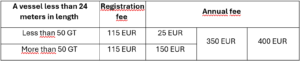
In this article, we’ll look at three registries for yachts up to 24 meters – Poland, Malta, and Gibraltar—so you can set the right course with no surprises. 

Poland – home flag with light formalities and low fees 

In August 2020, a new law on the registration of yachts and other vessels up to 24 meters came into force, bringing a host of surprising changes. Since then, the Polish flag has become very popular and now flies from masts in marinas all across the Mediterranean. What’s more, the number of yachts registered under the Polish flag has been growing year by year, making Poland an increasingly common choice among boat owners. 

Polish registration is issued without an expiration date – one of its key advantages. In many countries, vessel registration must be renewed periodically, often for an extra fee. In Poland, it’s lifelong, allowing owners to enjoy peace of mind for years without worrying about unnecessary formalities. 

Additionally, recreational yachts up to 15 meters are exempt from mandatory safety inspections and technical surveys. Recreational yachts over 15 meters, as well as all commercial vessels, must undergo safety inspections. For that reason, the Polish flag is especially attractive to owners of smaller boats, who don’t have to factor in extra costs for technical surveys. 

Importantly, the Polish flag doesn’t impose tonnage dues on owners. That’s a particularly favourable setup for large vessels, as such fees are tied to a ship’s tonnage – the bigger the yacht, the higher the charge. On this point too, Poland compares very favourably with solutions in other countries. 

The popularity of the Polish flag is a relatively new phenomenon, so it doesn’t yet carry the same “prestige” as the Maltese or British flags. But more and more owners are recognizing the benefits of Polish registration, appreciating its simple, user-friendly rules and the absence of unnecessary financial burdens. 

Malta – your prestigious key to the Mediterranean 

The process of registering under the Maltese flag is designed for convenience. Malta sets no age limits for vessels, but: 

  • ships between 10 and 15 years old must undergo a technical inspection by an authorized surveyor either before or within one month of provisional registration;
  • ships 15 years and older must undergo a technical inspection by an authorized surveyor before provisional registration. 

The first step toward permanent registration is a six-month provisional registration. During this period you can sail legally, but you’ll also need to assemble the full set of required documents. If you don’t make the deadline, you can apply to extend the provisional registration for another six months. 

After this, you move to permanent registration, which has no expiry but requires payment of an annual tonnage tax and other fees. With the Maltese flag there are no hard time limits – the flag stays with you as long as you meet the requirements – making Malta an attractive option for long-term owners. 

The Maltese flag is a prestigious mark of quality. As the largest maritime registry in Europe and one of the largest in the world, Malta enjoys a reputation as a ‘flag of confidence’ that is widely recognised and respected by port authorities. This ensures smooth flows and fewer administrative obstacles in international waters.  

High safety standards mean that insurers are keen to accept Maltese yachts, often offering lower rates. As a European Union flag, it gives access to EU waters without additional formalities. 

Gibraltar – a tradition of British sailing 

Gibraltar, a British overseas territory, attracts yacht owners not only with its strategic location at the crossroads of the Atlantic and the Mediterranean, its reputation for high-quality registration, but also with the prestige of the British flag. As a member of the Red Ensign group, Gibraltar offers global recognition and flexibility, making it the ideal choice for shipowners seeking security without excessive bureaucracy. 

Yachts, regardless of age, can be registered with the Gibraltar Yacht Registry (GYR), but the basic requirement is a Tonnage Measurement Survey, carried out by one of six classification societies recognised by GYR. This means that the vessel doesn’t have to be inspected within Gibraltar jurisdiction. 

In Poland, only yachts with a hull length of over 24 meters are subject to this requirement, which makes it much easier to register a yacht up to 24 meters in length, especially since the dimensions can be certified by, for example, a CE declaration or a document prepared by the shipyard during the construction of the yacht. 

As with Malta, Gibraltar offers two types of registration – temporary and full. It starts with the former, which is valid for three months, with the possibility of extension to a maximum of six months. After that, you can move on to full registration, renewable for 12, 24, 48 or 60 months. 

The prestige of the flag comes with registration costs: 

  • 232 GBP – application for yacht registration,
  • 181 GBP – application for temporary yacht registration,
  • 26 GBP – application for annual renewal of the registration certificate. 

The Gibraltar flag isn’t just a symbol – it is the prestige of the Red Ensign, recognised worldwide as a mark of high quality and compliance with international maritime standards, on a par with British registers. As part of the Red Ensign, it offers legal protection based on access to assistance from British embassies and consulates, easier insurance with lower rates, and freedom to sail in international waters without additional permits. 

Summary 

Choosing a flag for a yacht is not only a matter of symbolism, but also an important strategic element that affects costs, administrative formalities and sailing comfort. The Polish flag, thanks to its simple and advantageous solutions, is gaining popularity, offering shipowners indefinite registration, no tonnage taxes and minimal formalities.  

On the other hand, flags such as Malta and Gibraltar attract owners with their prestige and benefits related to high safety standards and flexibility in procedures.   

The choice of the right register depends on individual needs. In each case, it is worth considering all aspects in order to make the best decision that will ensure comfort and peace of mind on board.  

If you need help registering your yacht – contact us.

Responsibility of board members for tax liabilities of the company – general interpretation of the Minister of Finance and its consequences 

On 29th August 2025, the Minister of Finance and Economy published a general interpretation referring to the judgments of the Court of Justice of the European Union (CJEU) in cases C-277/24 (Adjak) and C-278/24 (Genzyński). These judgments addressed the interpretation of Polish provisions on the liability of board members for the tax obligations of companies in light of EU law. 

Previous legal framework 

Article 116 of the Tax Ordinance stipulates that when a capital company is in arrears with tax payments and its assets are insufficient to cover these arrears, the tax authorities can pursue the claims from individuals who were board members at the time the tax obligation arose. Liability can only be avoided in three situations: 

  • if the assets of the company are indicated that can (to a significant extent) cover the company’s arrears;
  • if the board member files a bankruptcy petition in a timely manner;
  • if the board member demonstrates a lack of fault in failing to file bankruptcy petition. 

In itself, this regulation is not controversial. However, in practice, it often led to situations where former board members found themselves in a procedurally difficult position. Why did this happen? 

Limited opportunities to defend against allegations 

In proceeding determining the amount of the company’s tax liability, the company is represented by its current governing bodies. However, these proceedings often concern events from the past. 

As a result, it frequently happens that the individuals who were board members during the period under review are no longer part of the company’s management. Consequently, these former board members could not participate in the proceedings. Nevertheless, they remained liable for the company’s tax obligations as former board members. If the proceedings against the company concluded with a final decision, former board members were unable to challenge its findings afterward. However, liability could still be imposed on them, and the obligation could be enforced in the amount determined during the proceedings. 

Since former board members were no longer part of the company’s governing bodies, they also lacked access to the case files. This prevented them from obtaining information about the basis on which the liability they were held accountable for was determined. 

Due to the recurrence of such situations and taxpayers’ complaints, the issue was eventually brought before the CJEU. The Court ruled that while the provisions of the Tax Ordinance themselves do not violate EU standards, in certain situations, they effectively deprive former board members of the right to a defense, which is unacceptable. 

Presumption of board member’s fault 

Another issue concerned the possibility of avoiding liability in case of failure to submit a bankruptcy petition on time. As mentioned above, a board member can avoid liability by submitting such a petition or proving there was no fault in failing to do so. In practice, fault in relation to board members was often presumed, as who else could be responsible for poor management of the company if not the management board? 

According to the CJEU, however, lack of fault can be demonstrated not only by proving innocence but also by making it probable that objective circumstances prevented the submission of the petition. However, the CJEU emphasized that such case should be examined individually. 

What the general interpretation says 

Following the conclusions from the CJEU rulings, the Minister of Finance and Economy issued a general interpretation aimed at standardizing the application of the Tax Ordinance provisions. 

The Minister stated that the right to defense for board members should be understood more broadly than previously. Although proceedings against the company are separate from proceeding against a board member, the former board member should, under certain conditions, have the right to challenge the finding contained in the decision addressed to the company. These findings could be contested by the former board member in the proceedings against them, which represents a complete change in approach compared to the previous practice in such cases. 

The Minister also acknowledged that former board members should have access to the company’s case files, and that the presumption of guilt of the board member for improper management of the company, resulting in late submission of the bankruptcy petition, is rebuttable. Thus, the board member’s fault should not be assumed “automatically”. 

Summary 

The interpretation adjusts the interpretation of Article 116 of the Tax Ordinance to the case law of the CJEU. It is likely to contribute to greater protection of former board members from liability for the tax obligations of companies. However, it is important to note that a general interpretation is not the same as a change in the law but is merely a guideline for understanding the provisions of the Tax Ordinance. In the near future, it will probably lead to a change in the approach of tax authorities, but time will tell how much this will affect the way proceedings concerning board members’ liability are conducted. 

Aftersales in the yachting industry – between client expectations and industry obligations – part II 

In our previous article – Aftersales in the yachting industry pt. I – we introduced you to the topic of aftersales support. Today, we want to explore what aftersales means from the industry’s perspective – namely brokers, shipyards, and dealers. 

Warranties and statutory liability 

Under Polish law, the distinctions between a manufacturer’s warranty and statutory liability are fundamental to protecting yacht buyers. In some cases, these obligations are mandatory in Polish contracts, while in others they may be excluded. 

The provisions of the sale agreement (PSA – Purchase and Sale Agreement or MOA – Memorandum of Agreement) are crucial. They define the scope of responsibility, deadlines, and conditions for claims. A lack of clear terms may hinder the buyer’s ability to enforce their rights effectively. On the one hand, it may create uncertainty over whether the seller is in an unfavourable position. This highlights the need to structure aftersales as part of the service supply chain, with a focus on the unpredictability of events and the goal of securing the client’s return. 

Servicing and parts availability 

Parts shortages are common, especially for custom-built or imported yachts, where global factors can disrupt supply chains. We all remember the 2021 Suez Canal blockage caused by the Ever Given and its consequences. 

Delays in servicing can lead to additional costs and safety risks for both parties. For sellers, these include the costs of maintaining service operations, potential liability for damage on the buyer’s side, and uncertainty in equipment pricing. 

It’s also worth remembering the crucial value of service records and yacht history. These allow for tracking of past repairs and can significantly affect the yacht’s resale value. 

Training and documentation 

Providing user manuals and crew training is essential. A lack of knowledge can lead to breakdown or accidents. Training is part of the aftersales service package and can include both remote and on-site support. 

Well-trained buyers or their crews can prevent many unwanted incidents. Fewer complaints mean fewer obligations for the seller – and a better overall impression of the yacht in the buyer’s memory.  

Building client relationships 

Aftersales is a tool for retention and reputation management, enabling customer loyalty through ongoing support. This translates into referrals and repeat business. In capital-intensive sectors like yachting, this element can be decisive. 

For example. ISO standards such as ISO/IEC Guide 76 emphasize the importance of communication and accessibility in aftersales services, helping to build trust and reduce complaints. 

Risk and liability management 

Failure to respond to client claims can lead to legal action, financial penalties, and reputational damage. Sellers should therefore implement rapid response procedures, including performance metrics such as average response times or order fulfilment rates. 

However, risk management starts at the contract stage. Vague warranty clauses can lead to disputes over responsibility for hidden defects, resulting in legal costs and reputational harm. 

New technological challenges 

Yachts – particularly luxury ones – are increasingly equipped with advanced propulsion systems. Servicing hybrid drives and autonomous systems requires specialized expertise, posing a growing challenge for seller. 

At this year’s Cannes Yachting Festival, many companies, including Sunreef Yachts, highlighted the growing importance of aftersales support in light of increasingly complex components and their importance to customers. 

Conclusion 

Aftersales in the yachting industry is a shared responsibility between both parties. For the buyer, it ensures trouble-free use of the yacht; for the industry, meeting customer expectations guarantees safety, satisfaction, and long-term market growth. Without it, transactions become riskier, and the industry’s reputation suffers.

If you haven’t read Part 1 yet, you can find it here: Aftersales in the yachting industry – part I

Aftersales in the yachting industry – between client expectations and industry obligations – part I

Build together or outsource? On collaboration in construction and offshore investments – the example of the Western Bypass of Szczecin 

The Western Bypass of Szczecin is one of the largest infrastructure investments in Poland. It holds strategic importance for the development of the West Pomeranian Voivodeship and creates numerous opportunities for local construction companies. The bypass consists of three sections: Kołbaskowo – Dołuje, Dołuje – Police, and Police – Goleniów. The tenders announced by the General Director of National Roads and Motorways are entering a decisive phase – offers have been opened, and the contracting authorities will select the contractors. The most demanding and longest section is Police – Goleniów, which also includes the tunnel under the Oder River. The high tender requirements and the complexity of the task are reflected in the content of the offers – as many as 4 out of 5 were submitted by consortia (contractor combining their forces to bid for the order). 

The implementation of bypass highlights the scale of coordination, financial, and legal challenges in multi-discipline contracts that require the cooperation of numerous entities (general contractors, including consortia, subcontractors, and contract engineers). The proceeding (including for the challenging tunnel under the Oder) confirm that projects worth hundreds of millions to billions require careful selection of the cooperation model (consortium vs subcontracting). Properly setting the terms determines responsibility and the ability to pursue claims, as well as impacts risk and margin. The tenders have been submitted primarily by companies with a nationwide reach. At the same time, the announcement of the proceedings’ results will open up opportunities for cooperation with smaller, local contractors. 

Analogous dilemmas in the offshore sector 

Similar dilemmas as in construction investments (who is responsible for what, how to secure payments down the supply chain, and regulate the details of cooperation) are now present in the offshore sector. In the case of offshore wind farms, in addition to the centralized model, where the investor enters into a contract with a single general contractor responsible for the overall project implementation (including coordination of numerous subcontractors, suppliers, or service providers), the multi-contract and hybrid strategies are also used. The multi-contract strategy involves dividing the project into various scopes and entering into separate agreements for each element (e.g. delivery of turbines or foundations). This gives the investor greater control over the selection and management of individual supplies but also comes with challenges in project management and coordination. Both approaches are linked by the hybrid strategy. This sector also involves cooperation within consortia or as subcontractors. Such a giant venture may be difficult for a single, even well-prepared company to carry out. It is important to remember that penalties for issues can absorb all profits, and the risks are high. 

Consortium 

A consortium agreement is an “unnamed contract”, shaped by the freedom of contract, flexibly regulating the cooperation of companies on a single project. This contract gains importance under the Public Procurement Law, which recognizes the possibility of consortium members jointly bidding for a contract. Ultimately, it enables obtaining an order when fulfilling participation conditions requires complementary resources from multiple entities (experience, personnel, equipment potential, interdisciplinary specialization). It is worth considering a consortium when risks and financing need to be shared “upstream” in one offer or agreement, However, the use of this structure comes with specific risks – public procurement law provides for joint liability towards the contracting authority. Additionally, formalities must be observed, including preparing the appropriate agreement (which should regulate internal divisions of responsibility and compensation) and designating the consortium leader. 

Subcontracting 

Subcontracting applies not only to investments carried out under public procurement law. The basic provision in this regard is – well known in the construction industry – Article 647¹ of the Civil Code. It provides for joint liability of the investor for payment of the subcontractor’s remuneration for completed works, provided that statutory conditions are met. In the case of public procurement law, the liability is broader – it may also cover remuneration for deliveries or other services performed by the subcontractor. Unlike consortium members, subcontractors are not jointly responsible towards the contracting authority, but in some cases, they can seek payment from it. To fully benefit from the advantages of subcontracting, it is essential to observe numerous formalities arising from the provisions and agreements between the investor and the contractor, particularly the written notification of the scope of work being carried out. 

Consortium or subcontracting? 

Determining the appropriate cooperation model and drafting the associated agreements are among the most important issues in both construction and offshore sectors. Mistakes and omissions in this regard can lead to years of disputes and cause payment delays, potentially even the collapse of a company 

The choice between a consortium and subcontracting requires: 

  • checking the requirements of the contracting authority,
  • assessing the scope of the investment and available resources,
  • determining whether it is possible to segregate specific parts of the work or if ongoing cooperation is necessary,
  • analysing responsibility towards the investor and the ability to claim direct payment,
  • negotiating with potential consortium partners, general contractors, and subcontractors to understand their intentions and capabilities. 

Another, no less important step is appropriately regulating cooperation principles and the content of agreements, and in the case of subcontractors, making the proper notifications (including ensuring the general contractor complies!). This will minimize risks. 

Local content in the Western Bypass of Szczecin and offshore projects 

In the tenders for the bypass project, numerous offers from large companies – nationwide and international entities, including consortium bids were submitted. The choice of contractors will also open opportunities for smaller, local construction companies and suppliers or service providers. For these companies, entering into appropriate agreements (especially for subcontracting or further subcontracting) could be a unique opportunity for growth and the acquisition of valuable experience, which may later enable them to undertake large contracts independently. 

In this context, it is important to note that the development of the West Pomeranian Offshore Valley generates enormous potential linked to ongoing and planned investments. Also, in this sector, local companies will increasingly take advantage of development opportunities and face the choice of an appropriate cooperation model. 

We must not forget that as Polish entrepreneurs, most of us don’t have experience in this sector and are still building the necessary competencies. The influx of Western investors, companies with large assets, and experience in erecting wind turbines provides a unique opportunity to gain not only capital but also the expertise needed to execute future projects. 

Collaboration in this area is therefore extremely important. The choice of cooperation model may be crucial, as it could determine whether companies gain essential experience or are deprived of it – in the case of simply executing limited subcontracting scopes. 

Building local know-how in this sector has the potential to significantly contribute to the development of the entire offshore market in Poland, while minimizing risks related to inexperience and high global competition, including the presence of “big players.” 

In the offshore context, where financial and operational risks are particularly high, and investments require advanced management, participation in a consortium allows not only sharing the burdens but also learning from experienced partners and building local competencies. With the influx of Western investors who possess the necessary know-how and capital, Polish companies have the chance to grow rapidly – but only if their cooperation is properly regulated and coordinated. Correctly establishing the cooperation model and strictly adhering to procedures – especially regarding formal subcontractor notifications – are key factors in preventing risks such as delays and disputes, which could impact the success of the investment and the sustainability of the local supply chain. 

Ultimately, building local content in the offshore sector is not only about achieving profits but, above all, about the long-term process of strengthening the position of local companies in the demanding and global marine energy market. 

The right choice of cooperation model and the ability to manage complex consortium and subcontractor relationships is now the foundation for the success and competitiveness of the entire industry in Poland and globally. 

Aftersales in the yachting industry – between client expectations and industry obligations – part I

Imagine the scene: a wealthy entrepreneur, let’s call him John, has just spent millions on a luxury yacht, dreaming of carefree cruises across the Mediterranean. On the first trip, suddenly, a malfunction in the navigation system occurs. 

Instead of panicking, John makes a quick phone call to the dealer, and within hours, a service team is onboard. They not only fix the issue but also train the crew on how to avoid similar situations in the future. John not only continues his holiday but also becomes a loyal brand ambassador, recommending it to his friends 

This is just one example of how aftersales services can turn a potential disaster into a triumph of loyalty. 

What is aftersales 

Aftersales service in the context of yachts is not just about repairs and spare parts; it’s an entire support ecosystem after the transaction: from servicing, to training, to legal and technical advice. 

Aftersales, or processes that support products after they have been sold, are often triggered by unpredictable events, like malfunctions. This makes them even more complex. In the maritime industry, where yachts are investments worth millions, aftersales must account for extreme operating conditions, international regulations, and the individual needs of the owners. 

Why it is important 

Aftersales is not a “necessary evil” – driven by law or customer complaints – but an authentic market need that can become a powerful tool for standing out from the competition. In the nautical sector, where customers expect not only a product, but also solid aftersales support, it builds trust and loyalty. 

Aftersales and brand reputation 

Aftersales services can generate significant portions of revenue, becoming a key differentiator when products become similar. 

Everyone in the industry knows the Sunreef brand. The company reports that repeat customers make up a significant portion of orders, and their loyalty is largely due to aftersales: fast repairs in ports worldwide, crew training, and personalized upgrades. 

Conclusion 

In an era when the yacht market is growing – as seen at the 2025 Cannes Yachting Festival, which showcased over 700 units, including hybrid giants – aftersales is becoming a strategic asset. The development of service centers and hybrid technologies highlights that companies investing in aftersales support won’t just survive; they will dominate the market, building relationships for years to come. 

This story continues in our next article, where we look at aftersales through the eyes of the industry itself – brokers, shipyards, and dealers.

Aftersales in the yachting industry – between client expectations and industry obligations – part II 


Limited liability fund for maritime claims – what you need to know 

Maritime shipping is an activity associated with high risk. Accidents, collisions, environmental pollution, or damage to cargo can lead to claims amounting to hundreds of millions of euros. This is why maritime law includes a limited liability fund for maritime claims. 

What is the role of the fund?

The limited liability fund for maritime claims serves a protective function for both the shipowner and the creditors. Instead of being liable with all of their assets, the shipowner deposits a certain sum of money or provides appropriate security to the court. Creditors can then use this amount to satisfy their claims. 

This solution increases the predictability of liability and allows maritime activities to be conducted without the risk of immediate insolvency. As a result, all victims have access to a common “pool of money”, and the distribution is proportional. The shipowner is assured that their financial liability will not exceed the limit set by law. 

What is the amount of the fund?

The amount of the fund is not determined arbitrarily. It is calculated according to the international rules of the London Convention LLMC, which Poland adopted in its Maritime Code. The amount primarily depends on the ship’s tonnage and the type of claims. 

This solution aims to maintain balance: creditors are not left without protection, and the shipowner does not bear unlimited liability. 

How is the fund created 

Most often, the fund is established by the shipowner or their liability insurer. It can also be created by the charterer or another entity responsible for the specific incident. 

In Poland, the responsible party submits a request to the district court – Economic Department for Maritime Matters – to create the fund. They then deposit the required amount into the fund or present a bank or insurance guarantee for the corresponding amount. 

Once the fund is established, the court publicly announces it and invites creditors to file claims within a specified period. The court then reviews the claims and ultimately distributes the fund among creditors. If the total amount of claims exceeds the fund’s value, payments are made proportionally. 

What is the fund?

The limited liability fund is a compromise between the interests of the shipowner and the injured parties. In practice: 

  • the shipowner protects themselves from unlimited liability and the risk of bankruptcy,
  • creditors are guaranteed that their claims will be considered in a uniform, transparent procedure,
  • the court oversees the fair distribution of funds. 

What are the limitations of the fund 

It is important to note that the fund does not always fully satisfy all claims. In the case of very serious disasters, such as large-scale environmental pollution, the total value of damages may far exceed the fund’s value. In such cases, the victims only receive a portion of the amount owed to them. 

This system is often criticized as being too favorable to shipowners. On the other hand, the liquidation of the fund could completely paralyze maritime activity, as no one would be able to bear unlimited liability. 

Summary 

The limited liability fund for maritime claims is a mechanism that ensures a balance between protecting the interests of the victims and maintaining the stability of shipping companies. Thanks to it, a maritime accident does not necessarily mean the end of a shipowner’s business, and creditors have access to a fair and supervised distribution of funds. Although not always fully satisfactory for everyone, the fund is one of the most important legal instruments that keep global shipping in motion.

Polish-Danish offshore wind supply chain grows in Szczecin 

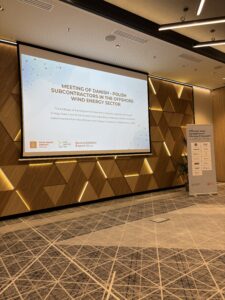
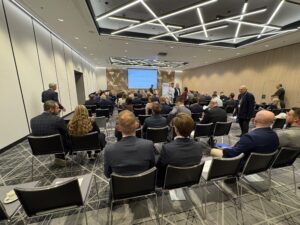
On 24th September 2025, Szczecin became the hub of intensive talks between Polish and Danish subcontractor in the offshore wind sector. 

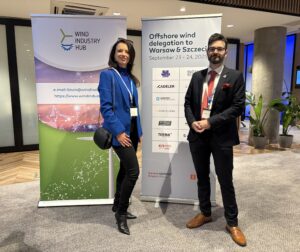
The meeting, organised by the Embassy of the Kingdom of Denmark in Warsaw and Danish Energy Export in cooperation with Wind Industry Hub, brought together representatives of companies from both countries. Among the participants were suppliers of components, installation vessels, navigation systems, as well as transport and logistics companies, ports, and service providers. The event took place at the Marriott Hotel and combined presentations with B2B “speed dating” session and networking opportunities. 

Our law firm was represented by Ewa Lewkowska-Dąbrowska and Bartosz Sierkowski. 

The event was an excellent opportunity to learn about the needs and offerings of Danish suppliers and Polish companies from the region – proximity to ports, infrastructure, and service capabilities facilitates the start of cooperation with short response times. Combined with local investments in turbine components (Vestas), a foundation is being built that can serve not only projects in Polish waters but also support exports to the Baltic and North Sea. 

Discussions with participants covered a wide range of important topics, including: 

  • opportunities for cooperation between offshore sector companies,
  • planned and ongoing investments,
  • the future of large and small ports along the Polish coast. 

As a law firm supporting the offshore sector, we are pleased to have taken part in discussions about innovation, investment, and growth opportunities. We are confident that cooperation and mutual understanding between Polish and Danish companies will bring benefits in the form of sustainable and dynamic development of the offshore wind industry in the West Pomeranian Offshore Valley. 

We thank the organisers for this inspiring experience. Events like this provide an excellent platform for meaningful dialogue and for building new partnerships. We already look forward to the next meeting, which will continue this fruitful exchange.