
CV that makes sense to us 

Career dilemmas 

When applying for a job, it’s common to wonder what exactly to put on your CV. Which experiences? Which skills? All your education or just the most recent? 

Some say that depending on the position, certain things are better left unsaid, while others are irrelevant – or simply don’t matter. And, in most cases, that’s true. 

A Graphic designer who wanted to be a secretary 

Once, we were looking for someone to join our law firm’s administrative team. In the job posting, we clearly described the role, outlined our expectations, and detailed the responsibilities. We received many applications – some closely matched the posting, others less so. But one application left us completely puzzled. 

It was from a graphic designer, and everything on their CV related to their design work. Not once did it mention any experience relevant to secretarial work. Instead, there was a long list of design achievements, software skills, and projects. We tried to connect the dots, but in the end, we concluded that the candidate had probably just applied for the wrong job. 

Read before you apply 

This example makes an important point: to respond effectively to a job posting, you first must read it. And, obviously, if you’ve spent your career as a doctor, don’t apply for a position as an attorney at law. 

What actually matters 

CVs for those starting their careers can – and should – be broader. If you’re a law student or a first – year legal trainee, you probably don’t have extensive experience as a lawyer. That’s fine. Internships, legal clinics, or volunteer work during your studies are invaluable – they show that you wanted more than just lectures, that you were eager to gain practical experience. 

At this stage, almost everything you’ve done so far is relevant. 

When we consider bringing someone onto our team, we pay attention not just to your CV, but also to what we can read between the lines: were you active, do you work well in a team, have you co-organized events, do you follow through on ideas, have you stayed committed to an organization for more than a month? 

Growth is our core value 

Include summer jobs, like camp counselor or restaurant waiter. To us, they signal independence, initiative, and a willingness to take responsibility. Most importantly, they show you’ve gained customer service experience! 

And if that summer job was abroad, we’ll assume you’re not afraid of challenges – and that you’re motivated to grow. 

When writing a CV, think broadly. There’s no job where the only thing that matters is being a top student with perfect grades. You never know which experience could become your strongest asset – especially at the start of your professional journey. 

And the time for technical expertise will come. At our law firm, the most important value is growth: the growth of our clients, our firm, and our lawyers. 
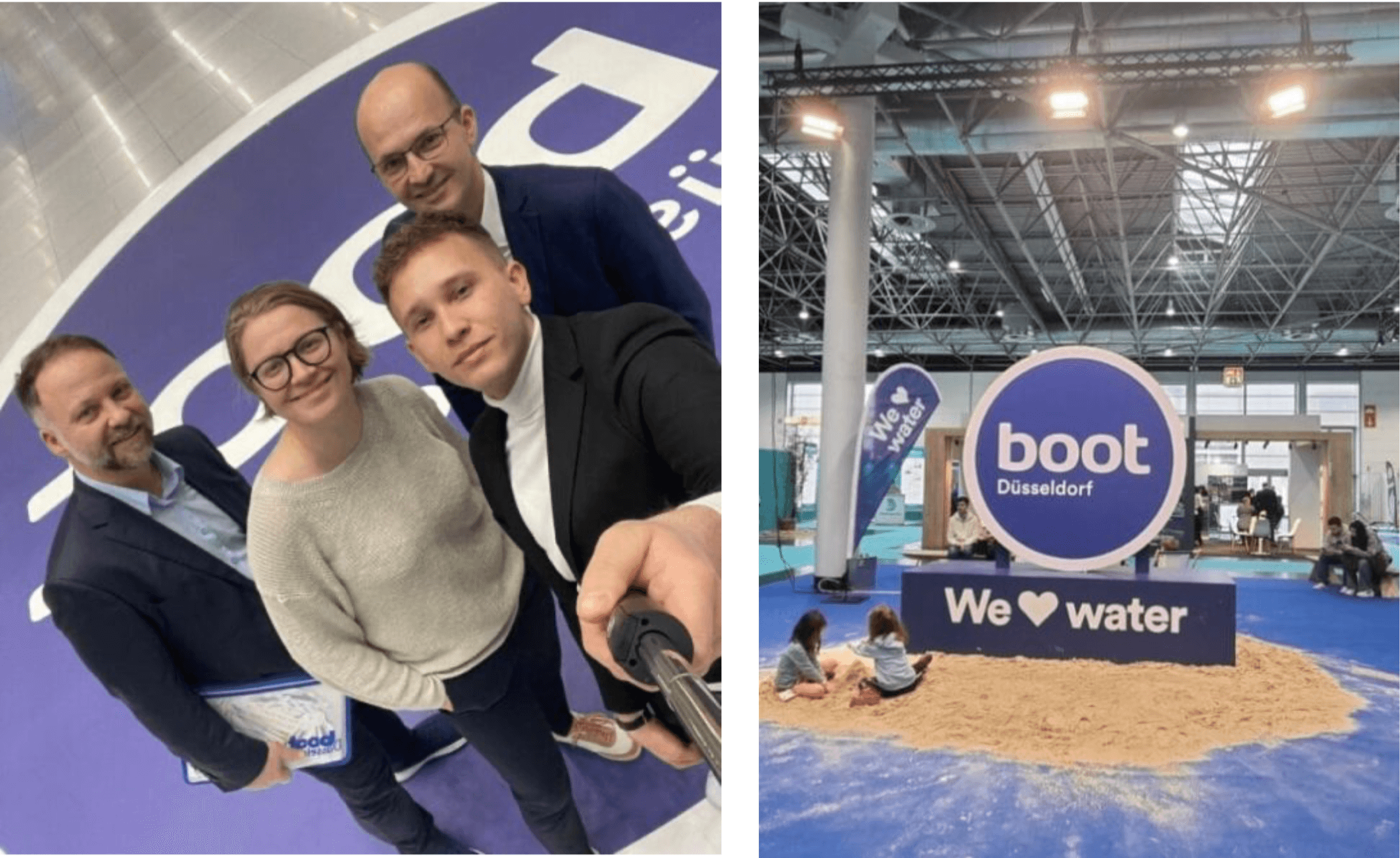
BOOT Düsseldorf 2025 – trends, challenges and legal aspects for the yachting industry 

BOOT Düsseldorf 2025 was a unique opportunity to assess the current state of the European yachting market amid ongoing economic and geopolitical challenges. Despite supply chain limitations, sanctions, and a shifting global economic landscape, the yacht industry remains highly active. Even amid the prevailing crisis, the number of product launches and the growing interest across different yacht categories are optimistic signs for the market’s continued development. 

As usual, the trade fair brought together an impressive 1,500 exhibitors from 67 countries, showcasing over 1,000 vessels across 16 exhibition halls. 

But the event wasn’t just a stage for technological innovation. It also served as a hub for intensive business meetings, discussions about market challenges, and new contract negotiations. 

New developments and trends in the yacht segment 

One of the leading trends at this year’s edition was the growing importance of sustainable technologies in yacht manufacturing. Builders are increasingly investing in eco-friendly propulsion systems – from hybrids to fully electric engines. 

There is also a growing demand for automation and artificial intelligence in navigation and vessel management systems. 

Meanwhile, rising client expectations for personalization are pushing shipyards to offer more flexible solutions – from custom interior layouts and finishes to individually configured power and energy management systems. 

Legal challenges in the yachting sector 

The trade fair also provided an opportunity to discuss key legal issues that have become increasingly relevant for premium yacht manufacturers, dealers, and buyers. 

Our law firm was represented by: 

Here are some interesting highlights: 

   1.  Place of delivery and VAT in international transactions

One of the most frequently raised issues was the ambiguity in determining the place of yacht delivery and its VAT implications. 

Differences in VAT treatment across jurisdictions, along with the possibility of applying the Temporary Admission (TA) procedure for non-EU vessels, meant that transactions require thorough legal analysis. VAT risk management varies depending on whether the conversation involves a shipyards, dealer, broker, or end buyer. 

   2.  Certification and regulatory compliance 

The rapid development of propulsion technologies is placing greater emphasis on yacht certification requirements. 

Safety standards and environmental regulations are becoming more stringent, and vessels must meet new regulatory demands – particularly when they are intended for operations across multiple jurisdictions. 

   3.  Intellectual property protection 

For shipyards and manufacturers, protecting their innovations through patents and design rights is becoming increasingly crucial. 

Given the pace of technological progress and intensifying competition, the risk of IP infringement is growing. 

   4.  Distribution and partnership agreements 

We are seeing rising interest in the Polish market, due to its access to the EU and its strengthening economic position. Poland is increasingly viewed not only as a registration hub but also as a base for yacht manufacturing, distribution, and servicing. 

More and more Polish shipyards and equipment manufacturers are eyeing exports – particularly to the U.S. market. This brings challenges related to distribution and dealer agreements, which must account for the specifics of foreign jurisdictions. 

   5.  Operational and financial risk management 

A key discussion topic was operational risk management, which – in such a dynamic environment – requires both flexibility and precision. 

Yacht transactions often involve significant sums, making it essential to safeguard the parties’ interests with carefully drafted contractual clauses. 

We held many discussions with shipyard, dealers, and our partners – including Pantaenius Poland and European Yachting Lawyers. 

Macroeconomic challenges facing the yacht industry 

An interesting topic at the fair was the inauguration of President Donald Trump. Initial optimism surrounded the possibility that the new administration would not raise taxes for American clients – a factor that could sustain or even boost sales of European yachts in the U.S. 

However, concerns quickly emerged about potential new tariffs on EU goods, casting uncertainty over the future of transatlantic yacht trade. 

Changing scale of the event 

One noticeable trend at this year’s show was its smaller scale compared to previous years. Some key players, such as Bavaria, Hanse, and Windy, were absent, and certain halls featured empty spaces where exhibitors had opted out. 

Some companies took advantage of the absence of competitors to expand their booths. Polish brands made a strong showing, including Galeon (with an impressive new stand), Northman (two separate spaces), Parker Poland, Cobra, Dracan, VTS, NFun, and Virtue. 

Others used the event to make their debut – such as AirMech. 

POLBOAT, led by President Michał Bąk, was once again a reliable presence, hosting the Polish stand in Hall 1 with support from a strong PAIH team. 

BOOT Düsseldorf 2025 – summary 

The yacht market – particularly in the sub12-meter segment – is currently far from ideal, and the effects of the downturn are being felt. However, from a long-term perspective, the real question is not “if”, but “when” the rebound and continued growth will come. 

BOOT Düsseldorf 2025 once again demonstrated that it’s a place where the key trends and decisions shaping the future of the industry are made. 

It was good to be part of it again.