Multiple entities involved in crew employment and ship management from the perspective of a recruitment agency

A recruitment agency approached us seeking a favorable legal and tax solution for seafarers within a specific employment pattern. The key aspect of it was that, in addition to the intermediary, it involved several entities in the employment of the crew and the management of the vessel.

From a legal perspective, the involvement of multiple entities necessitates determining the appropriate countries and international agreements under which the sailor operates.

Another closely related issue was social security, which is also complex within the context of international regulations.

Our team efficiently identified the legal and tax implications of this employment model for the crew provided recommended solutions.

Thank to our expert support, the recruitment agency was able to:

  • verify the accuracy of seafarers’ contracts, including their legal and tax implications,
  • identify potential risks that may arise for sailors entering into contracts under this employment pattern,
  • receive tailored recommendations specific to this employment model,
  • provide comprehensive knowledge on the subject and inform seafarers, for whom they mediate employment, about potential actions before Polish tax authorities.

We invite recruitment agencies, seafarers and seafarers’ trade unions to collaborate with us.

Working on mobile platforms in different parts of the world and tax exemption or abolition relief in Poland

A seafarer recently approached us. His career, from a legal and tax perspective, reads like an adventurous novel.

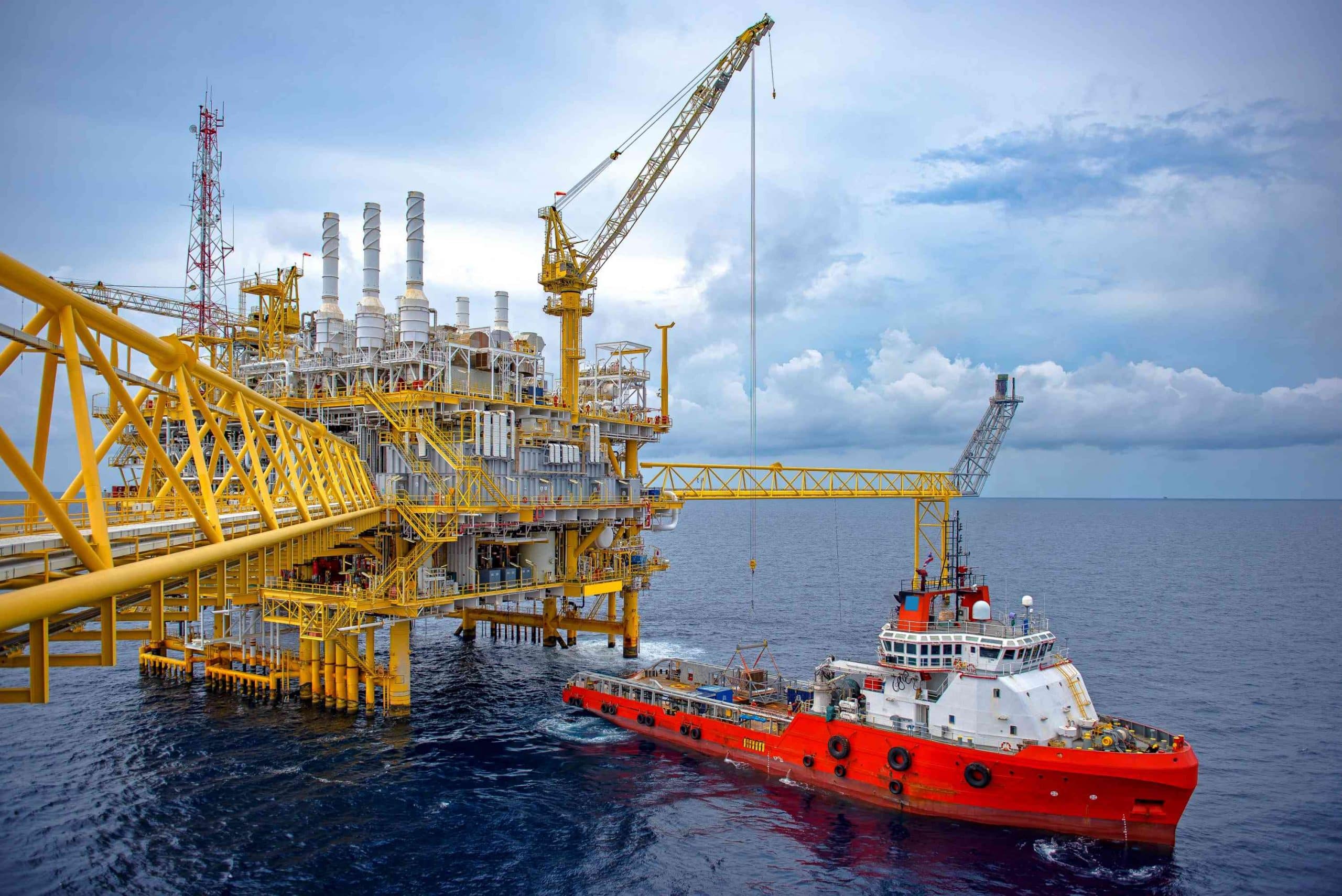
The client worked on drilling rigs, which are mobile platforms. He was employed through an agency based in a different country than the shipowner’s headquarters. At the same time, the shipowner had branches in several countries.

The work took place on a specific unit, with the possibility of the employee being transferred to other units owned by the shipowner in various parts of the world.

An additional complication in this scenario was that Poland had not signed a double taxation avoidance agreement with every country that needed to be considered in this case.

The client wanted to know if he had any obligations to the Polish tax office and, if so, whether his employment pattern would allow him to benefit from a tax exemption or abolition relief.

We treated the client’s seemingly intricate professional situation as a challenge.

We thoroughly analyzed the terms of his contract with the employer, the type of vessel, its operational location, and established the shipowner’s scope of activity.

Next, we carefully examined the relevant international agreements governing double taxation avoidance, as well as Polish tax regulations, to propose a solution that was both legally correct and most beneficial for the client.

The dedication, enthusiasm, and above all, the thoroughness and attention to detail of our team allowed us to break down this complex scenario into manageable parts and recommend steps that would not unnecessarily burden the client’s finances.

Thank to our efforts, the seafarer:

  • received a favorable solution,
  • can confidently prepare for the necessary steps before the Polish tax office,
  • will be able to realistically reduce his tax liabilities in Poland, despite a very complex employment model.

Pitfalls in yacht acquisition agreements – how to avoid troubles? 

Purchasing a yacht is an exciting event, but it can also be full of surprises, especially for those who are inexperienced in such transactions. Agreements are often complex, and misunderstanding them can lead to issues. In this article, we’ll discuss the most common pitfalls you may encounter and offer advice on how to avoid them. 

Choosing a yacht 

The most important step and starting point for the entire process is to clearly define your expectations for the yacht. However, that’s not all. A common mistake is the failure to accurately specify what exactly is being purchased and who – the buyer or the seller – is responsible for what. Over time, it may turn out that additional equipment was not included, and the price of the yacht must also account for inspections, engine startup, transport, etc. 

Remember! 

The agreement (or its annex) must clearly state exactly what is being purchased and in what condition. Include provisions specifying who will be responsible for each stage. Also, attach complete documentation regarding the yacht’s history, if available.

Terms of the agreement 

A key element is the clear specification of the terms of the agreement, including financial aspects such as deposits and payment deadlines. Unclear terms in this regard are another potential source of conflict in the future. 

Often, the price is listed in the agreement, but it’s not clearly stated whether additional amounts, such as taxes or other fees, will need to be added. It is also frequently unclear which day is the official payment due date. 

Remember! 

Specify in the agreement exactly how much you will pay and whether the price includes VAT or not. Make sure to include a clause stating that the payment date will be, for example, the day you submit the transfer order or the day the funds are credited to the seller’s account. 

Legal issues 

Verifying the legal status of the yacht, including ownership rights and current registration documents and permits, is extremely important. Improper documentation can lead to serious legal and financial problems. 

Things to watch out for 

When purchasing a yacht, pay attention to several key issues: 

  • Technical condition: Conduct a thorough technical inspection of the yacht, preferably with the assistance of an experienced specialist. Check the condition of the engine, electrical systems, hydraulics, onboard equipment, as well as the hull and rigging.
  • Service history: Request the documented service history of the yacht to ensure it has been regularly serviced and maintained.
  • Sea trial: If possible, conduct a sea trial to assess the yacht’s performance on the water and check how its systems operate.
  • Ownership rights: Ensure the seller has full rights to sell the yacht and that there are no outstanding payments or encumbrances.
  • Documentation: Check the completeness and validity of the yacht’s documents, including registration certificates, permits to sail, and any other necessary paperwork.
  • Financial terms: Carefully review the financial terms of the transaction, such as the price, payment method, and any additional costs.

Do not sign a yacht acquisition agreement without thoroughly analyzing its terms beforehand. Make sure that all essential aspects of the transaction are clearly defined and understood by both parties. 

It’s worth considering the services of an experienced lawyer specializing in yacht transactions, who can help you understand and protect your rights. 

Buying a yacht is a significant investment, so it’s crucial to approach it with full awareness and caution. Utilizing professional help and thoroughly understanding all aspects of the transaction can prevent many issues. Remember, the safety and satisfaction of your yacht purchase largely depend on your attention and diligence during the agreement phase.


Support in negotiations with Polish Waters – yacht marina on a lake

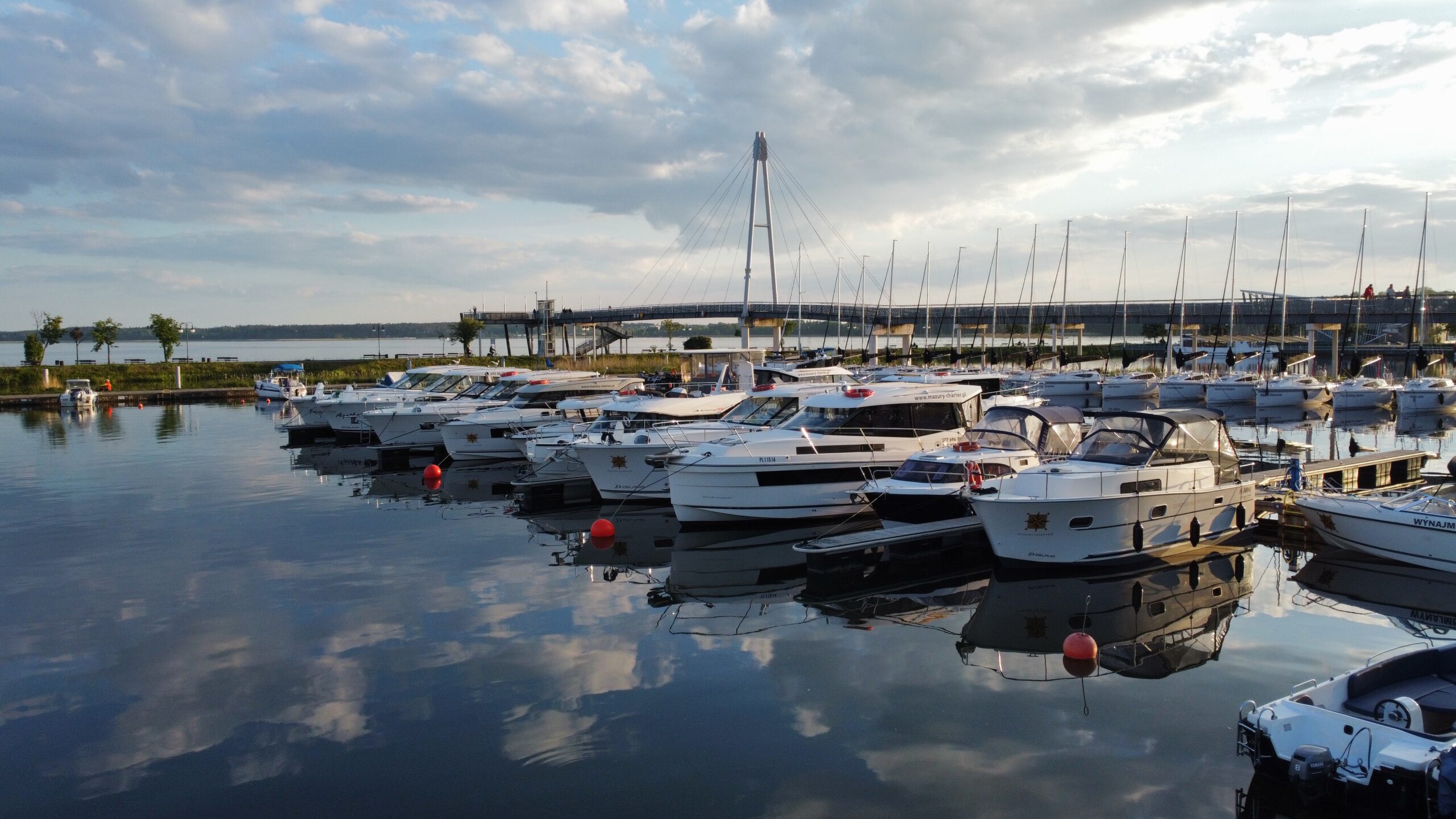
In 2023, the owner of a yacht marina on a lake planned to expand the facility. He wanted to increase capacity and improve mooring conditions. However, to achieve this, he needed a new agreement with Polish Waters, which would include the use of an additional 8.200 m2 of water-covered land. That’s when he turned to our law firm for assistance in negotiations.

In September 2023, the owner submitted an application to Polish Waters for an agreement, indicating that he intended to use the land for recreation and water tourism. In October 2023, he supplemented the application with detailed information about the planned construction of water facilities for passenger transport.

In November 2023, Polish Waters proposed a rate of 5.00 PLN/m2. After careful analysis, we concluded that, given the actual intended use of land, this rate was too high.

We initiated negotiations, pointing out the discrepancies between the proposed rate and the intended use of the land.

However, the new year brought new rates, and as a result, in February 2024, Polish Waters raised the proposed rate to 8.90 PLN/m2. Through a series of exchanges between Polish Waters and our law firm, we initially managed to negotiate that the 8.90 PLN/m.2 rate would only apply during the season, while outside the season, it would remain at the originally proposed level of 5.00 PLN/m2.

In the end, we reached an agreement where the rate remained at 5.00 PLN/m2 throughout the entire year. The client agreed to this rate, provided that it would prevent further increases.

Our persistent efforts yielded a positive result – Polish Waters ultimately agreed to the 5.00 PLN/m2 rate year-round (despite the rate increase). This allowed our client to proceed with the marina expansion plans without excessive financial burden.

Thank to our collaboration and the negotiations we conducted:

  • the client saved a significant amount, approximately 31.000 PLN annually, by avoiding an inflated rate,
  • amidst the fluctuating rates that posed a risk to the client, we secured conditions that allowed for the continued expansion of the marina,
  • we avoided potential legal disputes that could have delayed the project.

Finding simple, quick and effective solutions is our specialty.